

 English
 русский
 Français
 Español
 Deutsch


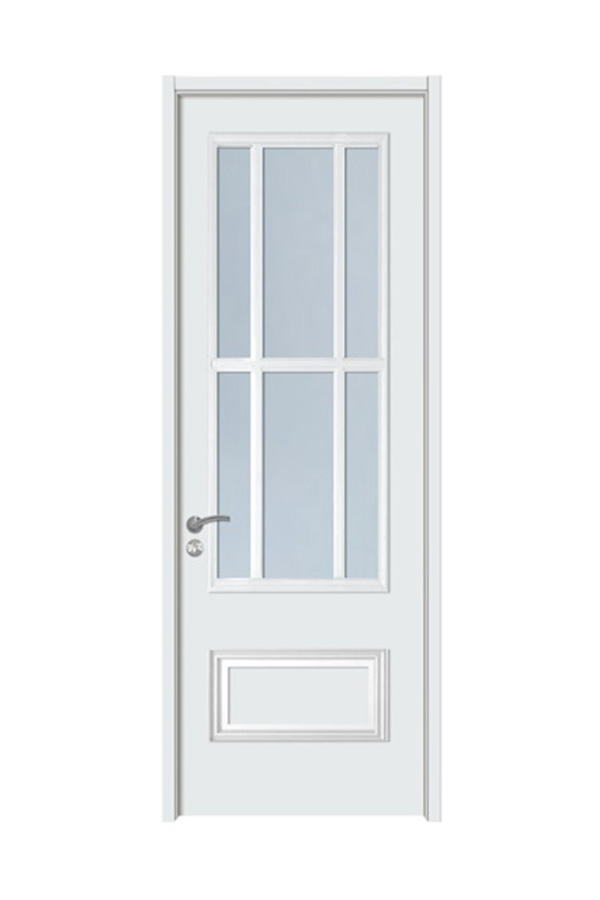
Maintaining a wooden bedroom door that has been finished as a wooden painting door goes beyond cleaning. Proper care affects not only how the door looks but also its long-term performance and resistance to moisture, scratches, and warping. By following a few simple maintenance strategies, homeowners can protect their investment and keep the painted finish looking fresh for years.
1. Regular Cleaning and Dusting
Regular dusting is the initial defense for preserving the finish of a wooden painting door. Dust particles can accumulate on the surface and dull the paint over time, especially in high-traffic parts of the home like bedrooms or hallways.
Use a soft, lint-free cloth or microfiber towel; avoid abrasive sponges or rough materials that can scratch paint.
Gently wipe the door at least once a week to remove dust and surface dirt before it builds up.
For mild smudges or fingerprints, dampen the cloth with lukewarm water mixed with a gentle, pH-neutral soap solution, then dry immediately to avoid moisture damage.
Avoid harsh chemicals like bleach, ammonia, or abrasive cleaners as these can degrade or strip protective paint layers, causing dullness or fading.

2. Address Moisture and Humidity
Moisture exposure is a primary threat to painted wood doors. Excess water can weaken the paint and cause warping or swelling in the underlying wood.
Never allow water or cleaning solutions to puddle on the surface; always use a damp — not wet — cloth when cleaning.
Pay special attention to joints, edges, and seams where moisture may accumulate.
In high-humidity rooms like bathrooms or near kitchen entryways, ensure proper ventilation to lower the risk of mold or paint deterioration.
High humidity can also cause doors to expand or contract, so controlling indoor humidity levels helps prevent long-term structural issues.
3. Avoid Abrasive Tools and Scratches
Scratches and dents can break the protective paint layer, exposing the wood underneath to moisture or dirt.
Avoid abrasive pads, scouring powders, or metal tools when cleaning the surface.
For stubborn spots, use a diluted vinegar solution (one part vinegar to ten parts water) gently rather than vigorous scrubbing.
For minor nicks or chips in the paint, keep a small supply of matching touch-up paint to repair damage before it worsens.
Soft cloth cleaning and gentle stain removal help maintain the door’s finish without wearing down the paint.
4. Inspect and Refinish When Needed
Even well-maintained painted doors show signs of wear over time. Inspect your wooden painting door periodically for fading, cracking, or peeling paint.
A yearly check lets you catch issues early before they spread.
If the paint finish becomes dull or shows small cracks, consider light sanding of worn areas and applying a fresh coat of paint to maintain protection.
When repainting, lightly sand the entire surface with fine-grit sandpaper and clean off dust for a smooth new finish.
Regular inspection and touch-ups keep the door looking updated and prevent deeper surface problems that are harder to fix later.
5. Protect from Sun Exposure
Direct sunlight can fade painted finishes over time, especially if the door is near windows with strong light.
Use curtains, blinds, or UV-filtering window films to reduce continuous sun exposure.
Rotate décor or furnishings that might leave uneven sun-lit patches on the door surface.
Keep the door away from harsh temperature spots like near heating vents, which can dry out paint and cause cracking.
Maintaining consistent lighting and temperature around the door helps preserve the paint’s color and prevents premature fading.
6. Handle with Care and Routine Hardware Checks
The way you handle and use doors affects their finish.
Avoid slamming doors hard, which can chip paint or cause dents.
Check hinges and hardware regularly to ensure smooth movement; loose hinges can cause rubbing or friction that damages the painted surface.
Tightening hardware and lubricating moving parts reduce unnecessary stress on both wood and paint.
These simple checks work together with cleaning to keep the door functional and looking sharp.
7. Long-Term Climate Control
Consistent indoor climate control minimizes fluctuations in humidity and temperature that can degrade a painted wood door:
Use humidifiers in dry seasons and dehumidifiers in humid conditions.
Keep the door out of areas prone to rapid temperature changes.
These strategies help stabilize wood movement and protect painted finishes in the long run.
A wooden painting door can significantly enhance the aesthetic of interior spaces while remaining durable and functional with proper care. Regular cleaning, moisture management, gentle stain removal, periodic inspection, and avoiding abrasive tools all contribute to extending the life of both the paint finish and door substrate.
For homeowners who want reliable techniques and material insight in maintaining painted doors, industrial experience like that from Zhejiang Jiangshan Giant-Young Co., Ltd. underscores the importance of choosing suitable cleaning practices and environmental control to protect quality wood doors over time.