

 English
 русский
 Français
 Español
 Deutsch


Painting a wooden bedroom door to refresh its appearance or to change your interior style requires more than just choosing a color. Many homeowners and DIY enthusiasts are interested in effective methods to prepare and paint their wooden painting door so that the finish lasts and looks smooth. Proper surface preparation, the right tools, and a technique that respects the natural wood grain can make a big difference in how the final result performs over time.
Understanding Surface Preparation for Wooden Doors
Before applying paint, preparation of the wooden painting door surface is critical. Preparation does more than make the door look smooth—it creates a surface that paint can bond to, reducing peeling or bubbling later.
Cleaning: Start by wiping down the door surface with a mild detergent or cleaning cloth to remove dust, oils, or grime. Any residue left on the wood can prevent the primer and paint from adhering properly.
Hardware Removal: If possible, remove handles, locks, and hinges with a screwdriver. Removing hardware helps avoid unwanted paint on metal parts and makes sanding and painting easier.
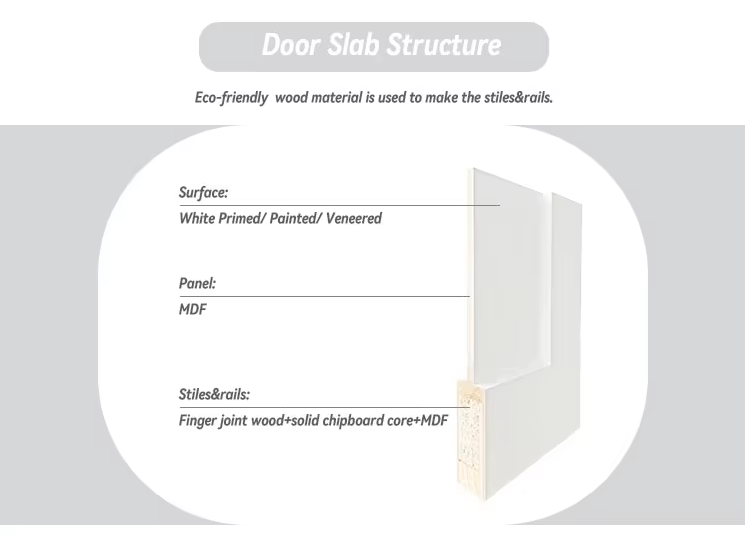
Sanding: Creating a Strong Base for Paint
Sanding is often pointed out as the more crucial step before painting wooden doors. A wooden bedroom door surface that has been lightly sanded allows the paint and primer to grip better, resulting in a more uniform finish.
Step-by-step Sanding:
Begin with medium-grit sandpaper (such as 120–150 grit) to remove old paint or imperfections.
Progress to finer-grit sandpaper (around 220 grit) to smooth the surface and prepare it for primer.
Always sand with the wood grain to avoid scratches that show through the final paint.
After sanding, wipe down the door again to remove all dust particles. A tack cloth or damp microfiber cloth works well to leave the surface clean.
Priming: Essential Step for Durability
Once the wooden painting door surface is clean and sanded, applying primer is the next key step. Priming provides a uniform base for paint, seals raw wood, and can reduce the number of paint coats needed.
For doors that were previously painted or were raw wood, use a primer designed for interior wood. It prevents wood tannins from seeping through the finish and ensures the paint adheres evenly.
Primer Tips:
Apply at least one coat of primer and let it dry completely before painting.
After priming, a light sanding with fine-grit sandpaper improves the smoothness of the final paint layer.
Painting Techniques: Brush, Roller, and Sprayer
With the surface primed and ready, it’s time to paint. Choosing a technique that fits your door design and skill level can impact the final look.
Brush vs Roller:
A high-quality brush works well for detailed edges and panel grooves.
A foam roller helps achieve a smooth, even finish on flat areas of the door without brush marks.
Sprayers: For advanced DIYers, paint sprayers can produce very even coverage, especially useful for paneled doors, though they require careful masking of edges and hardware.
Apply paint in thin, even coats, allowing each layer to dry completely before adding the next. This reduces drips and brush marks, which are common issues when paint is applied too thickly.
Drying and Reassembly
After painting, give the wooden painting door adequate time to dry before handling. Paint drying time varies based on conditions such as humidity and temperature, but waiting several hours between coats is generally advised.
Once fully dry, reattach hardware and reinstall the door. This simple final step helps protect the door’s finish and prepares it for everyday use.
Additional Tips for Long-Term Care
To maintain the painted finish of a wooden bedroom door:
Dust and clean regularly with a soft cloth to prevent dirt buildup.
Avoid harsh chemicals that can strip paint.
Check edges and high-contact areas occasionally for wear.
Proper care will extend the life of the paint and protect the underlying wood.
Painting a wooden bedroom door can be a rewarding DIY project when done with careful preparation and technique. Starting with cleaning and sanding, followed by priming and thoughtful application of paint, helps ensure a durable and attractive result. Well-prepared surfaces and steady painting methods reduce common issues like peeling or uneven finish, creating a refreshed look for your home interior.
For homeowners seeking reliable information on wooden doors and finishes, manufacturers such as Zhejiang Jiangshan Giant-Young Co., Ltd. provide insights on material choices and surface treatment that help improve both appearance and longevity of interior wood doors. Whether refreshing a door that’s lived with for years or personalizing new wooden painting doors, proper technique goes a long way.