

 English
 русский
 Français
 Español
 Deutsch


Choosing how to style a wooden bedroom door is about both form and function, and deciding on the right paint or treatment can influence how your wooden painting door complements the interior design. Whether you’re refreshing an older door or selecting finishes for new ones, understanding how color, texture, and door design interact with space helps you make decisions that hold up visually and practically.
Why paint choice matters on a wooden painting door
Selecting a paint color for a wooden painting door does more than change aesthetics. The color you choose affects how light is perceived in the room, how the door harmonizes with furniture, and even how durable the finish will be under different conditions.
Interior design experts often suggest thinking about how the door interacts with surrounding elements. For instance, light, neutral shades can visually widen a small hallway, while darker tones may add warmth in larger spaces. Because wooden surfaces naturally expand and contract with humidity, paint selection also plays a role in how well the finish resists cracking or peeling over time.
Coordinating door color with room style
When deciding on paint for a wooden bedroom door, it’s useful to consider the broader style theme of the room:
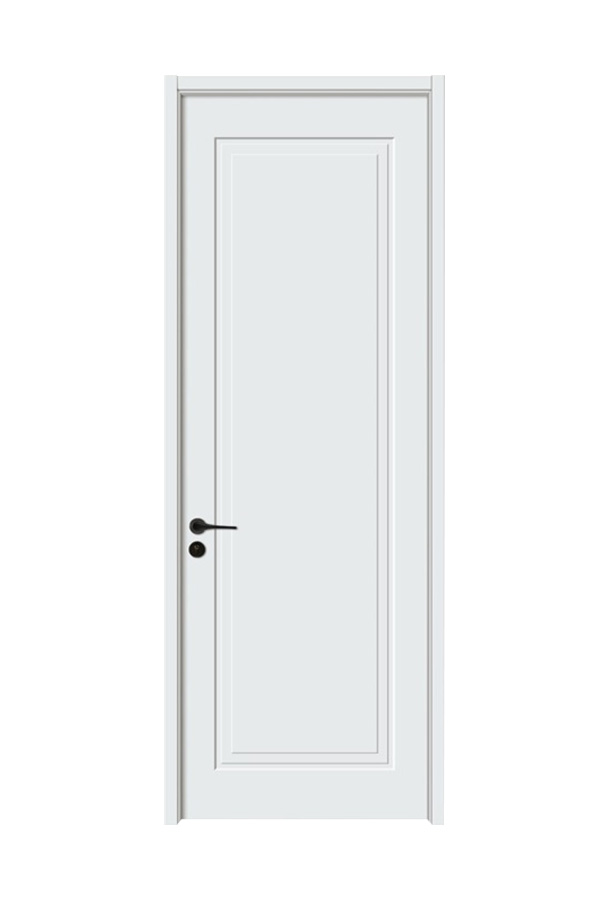
Modern minimalist: Crisp whites, warm greys, or subtle off-white tones help create a clean, unified look. These shades work particularly well if walls and trim are also light.
Classic or traditional: Earthy tones like sage green, soft beige, or muted blues can complement wood grain and enrich warm wood hues.
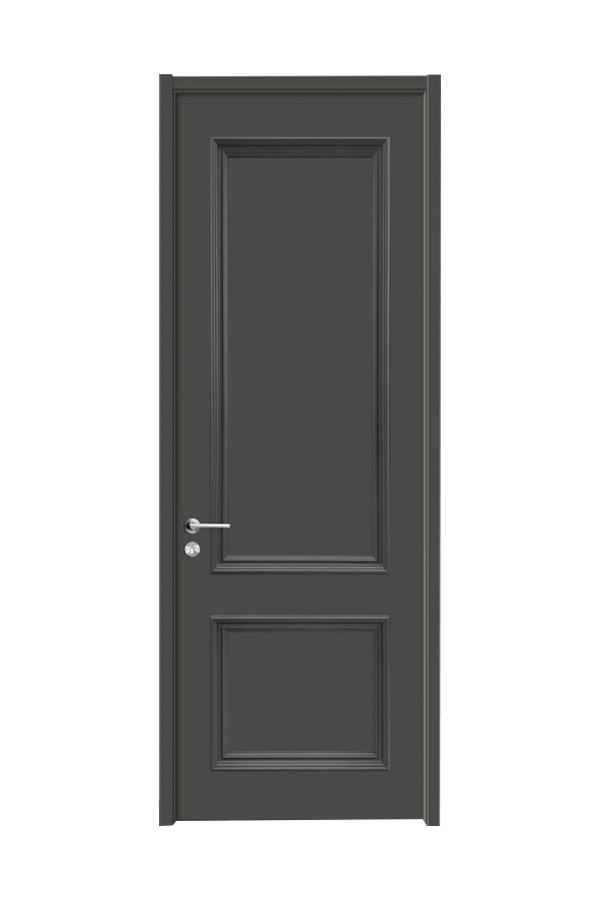
Bold contrast: For rooms with neutral walls, a darker wooden painting door (e.g., charcoal or deep forest green) can become an intentional focal point.
Balance is key. While a dramatic color might be striking, ensure it doesn’t clash with adjacent furniture or finishes — especially baseboards and wardrobes.
Natural wood grain vs. full paint coverage
Some homeowners prefer to preserve the natural wood grain of a wooden bedroom door rather than applying full coverage paint.
Natural wood grain finish: Offers a timeless look. It highlights wood patterns and adds organic texture to the room.
Full paint coverage: Provides a uniform color that can hide imperfections and offer a clean backdrop for modern décor.
Both approaches have visual merit, but each has practical differences. Paint can better resist dents and scratches depending on the type and sheen, while stain and clear coats showcase wood beauty at the expense of visibility for imperfections. Choosing between them means balancing aesthetic preference with how you use your space.
Paint sheen and its impact
The sheen level of paint — whether matte, satin, or semi-gloss — also determines how the wooden painting door performs visually and practically.
Matte finish: Soft appearance that hides minor flaws but is generally harder to clean.
Satin finish: Subtle sheen and easier maintenance without strong reflections — a common choice for interior doors.
Semi-gloss: Reflective and easier to wipe down, especially helpful in homes with kids or pets.
Choosing the right sheen affects both maintenance routines and daily living. Satin or semi-gloss finishes tend to balance practicality with style, especially for doors that see frequent use.
Enhancing door style with hardware
Paint color is only one part of the style equation. Hardware choices — including knobs, levers, hinges, and trim — interact with paint and wood style to complete the look.
Contrasting metallic finishes like brushed nickel or matte black add a contemporary edge to a painted wooden bedroom door, while bronze or brass hardware can enrich traditional schemes. Smaller details like trim and escutcheon plates contribute to cohesion between the door and the room’s furniture. This thoughtful combination elevates a basic door into an intentional design feature.
Long-term considerations for painted wooden doors
When making paint decisions for a wooden painting door, remember that time and use will influence how finishes age. Painted surfaces may show scratches or wear more visibly on high-contact edges, which means choosing durable, washable paints and planning for future touch-ups. Regular maintenance — including cleaning with gentle solutions and monitoring for humidity-related changes — helps protect the finish.
For example, painted wood bedroom doors can be susceptible to scratches and dents, especially in active households, and may require repainting every few years depending on environment and use.
Style as a reflection of personal taste
Ultimately, the choice of color and finish on a wooden bedroom door says something about your personal style. Whether you lean toward classic neutrals, unexpected accents, or refined natural grain, aligning the door finish with your broader décor ensures that each element in your home contributes to a harmonious whole.
For professional insight into finish selection and surface preparation, companies like Zhejiang Jiangshan Giant-Young Co., Ltd. offer experience in wood door materials and finishing approaches that help balance appearance with durability — particularly in environments where paint wear and environmental factors influence long-term performance.
Design meets durability
Choosing how to paint and style a wooden bedroom door goes beyond picking a favorite color. It involves understanding how the finish will interact with wood movement, light, humidity, and daily use. A deliberate approach to color, sheen, and hardware ensures that your wooden painting door not only enhances your interior design but also remains a functional and long-lasting component of your home.
With thoughtful decisions and proper application, a painted wooden door becomes an integral part of your living environment — marrying style with everyday practicality.