

 English
 русский
 Français
 Español
 Deutsch


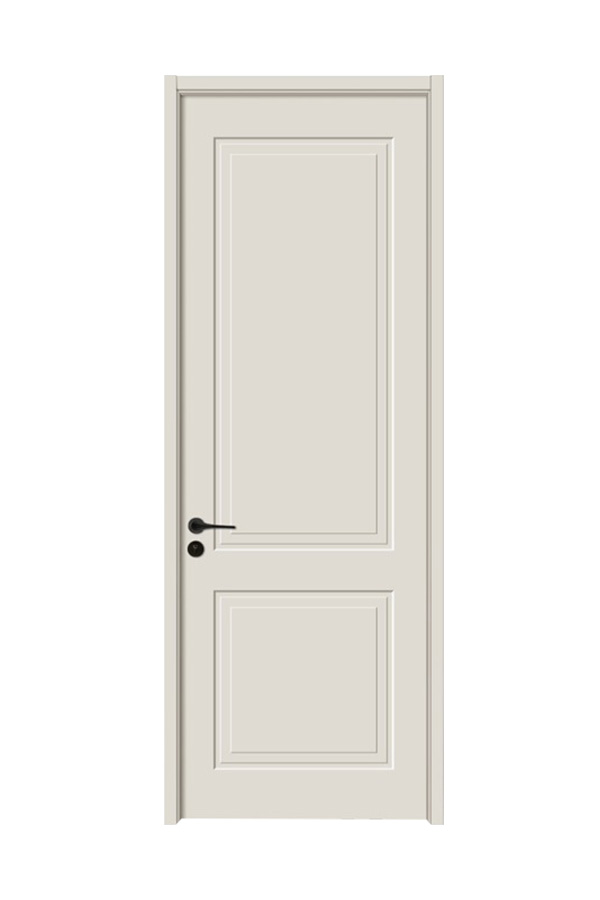
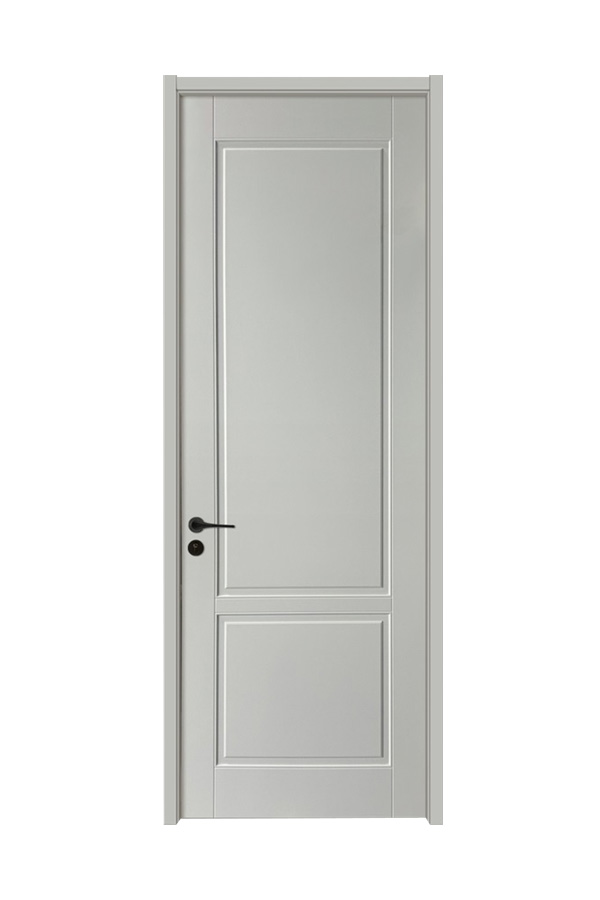
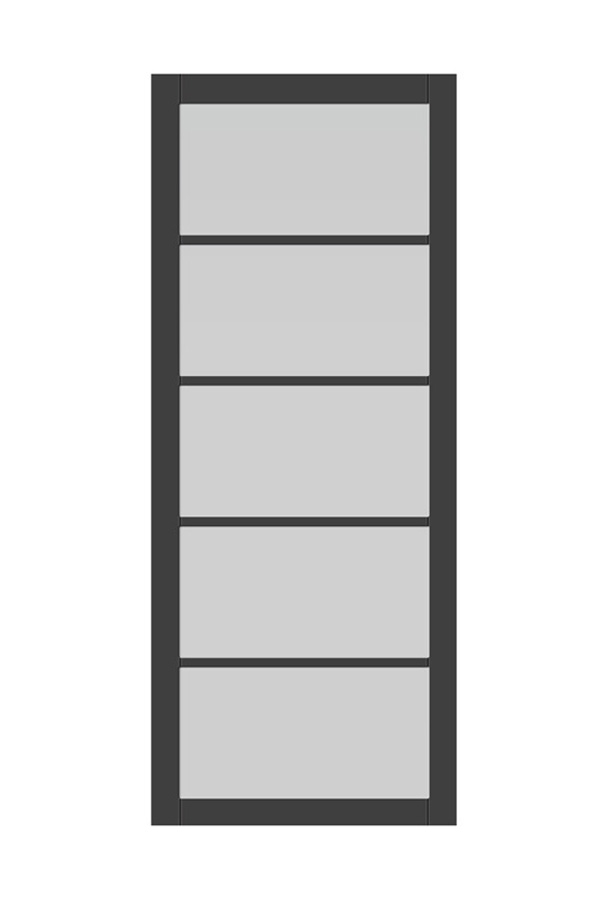
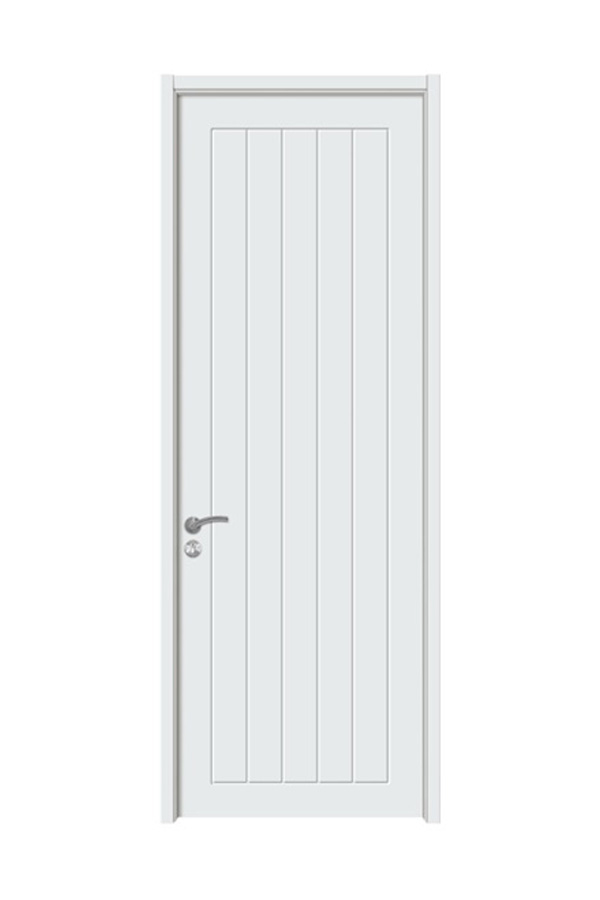
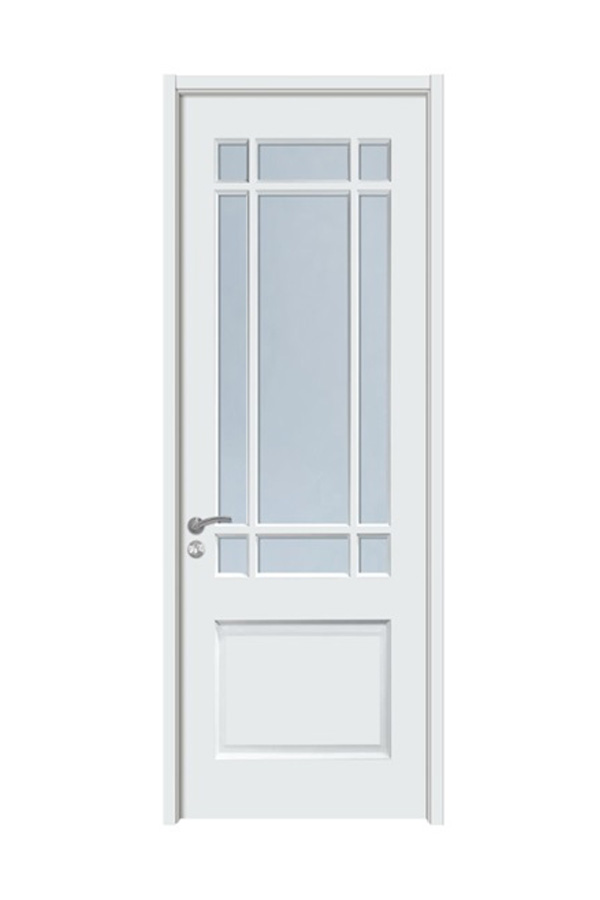
A White Primed Shaker Door is widely used in modern interior design because of its clean surface and paint-ready finish, while a Sliding Shaker Door is often chosen for space-saving layouts in bedrooms, wardrobes, and bathrooms. Despite their strong popularity, concerns about deformation still appear frequently in humid environments, especially where seasonal moisture changes are significant.
Our company has produced and supplied interior wooden doors for many years, and humidity-related movement remains one of the more common technical questions from customers. The short answer is that sliding shaker doors can warp, but proper engineering, material selection, and finishing processes significantly reduce the risk.
1. Why does humidity affect the shaker door structure
Wood is a natural hygroscopic material, meaning it absorbs and releases moisture depending on air conditions.
- Moisture absorption causes expansion
- Moisture loss causes shrinkage
- Uneven exposure leads to bending or twisting
Research and field experience show that humidity fluctuation is the primary driver of door deformation rather than manufacturing defects alone .
Sliding systems can make deformation more noticeable because even small changes affect track alignment.
2. Structural design of sliding shaker doors
A typical Sliding Shaker Door uses a frame-and-panel construction:
- Vertical stiles: 70–90 mm width
- Horizontal rails: 80–120 mm width
- Center panel: 6–10 mm MDF or engineered board
- Surface: White primer coating or UV-sealed paint base
Modern White Primed Shaker Door models often use engineered cores such as HDF or particle-board composites for improved dimensional stability .
Key structural advantage:
- Floating panel design allows natural wood movement without cracking the frame
Potential weakness:
- Frame edges remain exposed to uneven humidity exposure
3. How Sliding Shaker Door systems react differently
Compared with hinged doors, sliding systems behave differently under stress:
- No hinge adjustment flexibility
- Tracks require flat door geometry
- Minor warping becomes visually obvious
- Friction increases when panels deviate from vertical plane
Even a 2–3 mm deviation across door height can cause sliding resistance or rail noise.
4. Main humidity-related warping patterns
Based on production and installation feedback, common deformation types include:
- Edge bowing
- Door edges curve inward or outward due to uneven moisture intake
- Center twist
- One corner rises while the opposite drops
- Panel expansion marks
- Visible micro gaps along shaker frame joints
- Seasonal misalignment
- Doors shift during summer humidity peaks and winter dryness cycles
These patterns usually appear gradually rather than suddenly.
5. Environmental factors that increase risk
Sliding Shaker Doors installed in the following environments show higher sensitivity:
- Bathrooms without proper exhaust ventilation
- Kitchens near dishwashers or steam sources
- Coastal or tropical climates
- Rooms with direct sunlight on one side only
- Spaces with HVAC imbalance (one-wall heating or cooling)
Humidity swings create expansion on one face of the door while the opposite side remains stable, producing internal stress.
6. Material engineering used to reduce warping
Our company applies several technical strategies in manufacturing:
- Moisture-balanced kiln drying before machining
- Cross-laminated MDF or engineered core boards
- Balanced double-side primer sealing
- Controlled moisture content range: 8%–12%
- Reinforced stile-rail joints using mortise and tenon systems
These methods significantly reduce internal stress caused by environmental changes.
7. Performance of White Primed Shaker Door surfaces
White primed surfaces are not just aesthetic—they also function as a moisture barrier layer.
Key characteristics:
- Sealed primer reduces water absorption rate
- Uniform coating minimizes uneven expansion
- Provides stable base for final painting on site
- Helps delay humidity penetration into core structure
However, primer alone cannot eliminate wood movement; it only controls rate and imbalance.
8. Installation factors that influence stability
Even high-quality doors may warp if installation conditions are not controlled:
- Door stored in humid packaging before installation
- Uneven wall humidity exposure (bathroom vs hallway side)
- Poor ventilation around sliding track system
- Tight rail tolerance leaving no expansion allowance
- Lack of acclimation period before installation (24–72 hours recommended)
Proper installation reduces structural stress significantly.
9. Maintenance and prevention recommendations
To improve the long-term stability of Sliding Shaker Doors:
- Maintain indoor humidity between 40%–60%
- Ensure balanced ventilation in enclosed rooms
- Avoid direct water or steam exposure
- Clean tracks regularly to reduce friction stress
- Inspect alignment every seasonal change
Small adjustments early can prevent long-term deformation.