

 English
 русский
 Français
 Español
 Deutsch


A beautiful Glass Doors For Houses can instantly modernize a home, flooding interiors with light and creating a seamless connection to the outdoors. Yet, the excitement of a new installation can quickly turn to frustration when the door sticks, leaks, or lets in drafts. Online forums and contractor discussions reveal that a surprising number of these problems stem from a few common, yet critical, installation errors. Understanding why Wood Glass Door Design fails in practice is the primary step to ensuring it succeeds in your home.
The core issue is often a rush to complete the job without respecting the fundamental principles of building science. A door is not just a panel; it is a complex system that must be level, square, and properly integrated with the home's weather barrier. When these basics are ignored, the consequences range from annoying to structurally damaging.
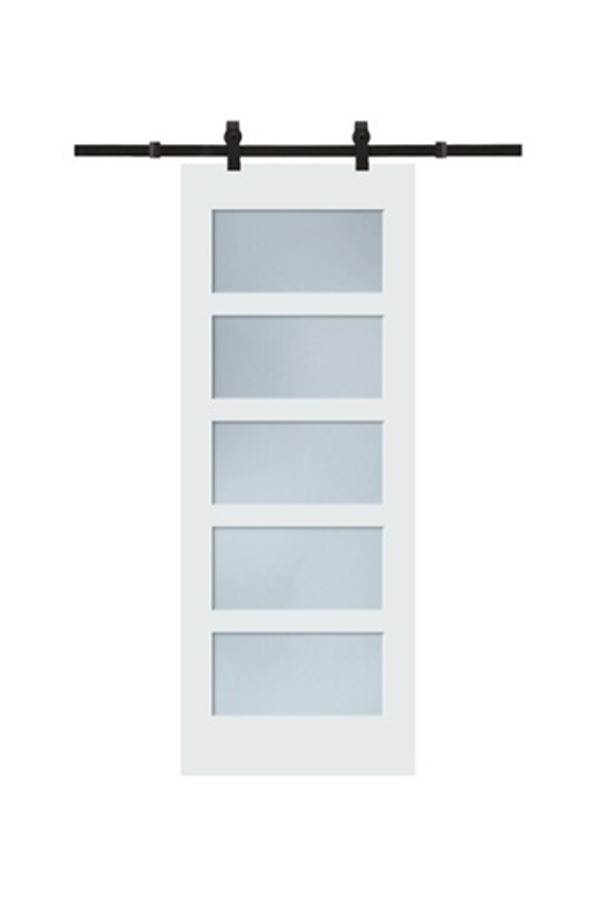
1. The Foundation Failure: Out of Level and Square
The more frequently cited problem is an installation where the rough opening is not properly prepared. If the frame is racked or twisted—meaning it isn't perfectly plumb (vertically straight) and level (horizontally straight)—the door will never function correctly.
Binding and Sticking: A door forced into an out-of-square frame will bind against the jamb, making it difficult to open and close. This puts constant stress on the hinges and hardware.
Uneven Gaps: You might notice gaps that are wider at the top than the bottom, or inconsistent spacing on the latch side. This is a tell-tale sign of a racked frame.
Roller Problems (for sliding doors): Sliding doors rely on perfectly level tracks. An unlevel track forces the rollers to fight gravity, causing premature wear, grinding noises, and eventual failure of the roller assembly.
2. The Leaky Envelope: Water and Air Intrusion
A poorly installed door is a major weak point in a home's envelope. Water intrusion is a cause of costly rot and mold, while air leaks sabotage energy efficiency.
Failed Flashing and Sealing: The rough opening must be properly waterproofed before the door is ever set in place. Professional installers use specific liquid-applied membranes or flashing tapes to create a pan that directs water outward. Skipping this step guarantees that water will eventually find its way into the wall cavity.
Inadequate Sealant: The final seal between the door frame and the exterior siding is critical. Using the wrong type of caulk or applying it poorly creates gaps for water and air. A proper seal requires a continuous bead of high-quality, exterior-grade sealant.
Missing or Damaged Weatherstripping: The weatherstripping around the door panels is the front line of defense against drafts. If it's compressed during installation, installed incorrectly, or of poor quality, it won't create a tight seal, causing energy loss and discomfort.
3. The Weak Link: Component Compatibility
Sometimes the issue isn't the installation technique, but the parts themselves. Using incompatible or low-quality components is a recipe for failure.
Frame and Hardware Mismatch: The door’s hardware—hinges, locks, and rollers—must be rated for the door's weight and size. A heavy, all-glass door or a substantial wood door with a large glass panel needs heavy-duty hardware to function safely and smoothly. Standard hardware will quickly fail under stress.
Glass Type and Safety: Building codes often mandate tempered or laminated safety glass for doors, especially in hazardous locations like near the floor or in sidelights. Using non-compliant glass is not only dangerous but also a sign of an installer cutting corners. At Zhejiang Jiangshan Giant-Young Co., Ltd., every Wood Glass Door Design we produce is engineered with compatible, high-quality components to ensure long-term performance and safety.
How to Ensure a Correct Installation
Avoiding these problems comes down to two key factors: quality products and qualified installation.
Trust the Product, But Verify the Installer: A top-quality door can be ruined by poor installation. Choose an installer with a proven track record, specific experience with your door type, and who follows a detailed preparation and flashing process.
Demand a Weather-Tight Rough Opening: Before the new door goes in, ensure the installer has properly prepared the opening. This should include inspecting for rot, applying a waterproof membrane to the sill and jambs, and creating a system to drain any incidental water to the exterior.
Check the Operation: Before the installer finalizes the exterior trim and caulk, open and close the door yourself. It should move smoothly without force. Check the gap around the door—it should be even on all sides.
When a Glass Doors For Houses project fails, it is almost always due to a breakdown in the fundamentals of installation. By understanding the critical points of failure—from an unlevel frame to a poorly sealed weather barrier—homeowners can ask the right questions and ensure their new door is a source of beauty and comfort, not headaches.