

 English
 русский
 Français
 Español
 Deutsch


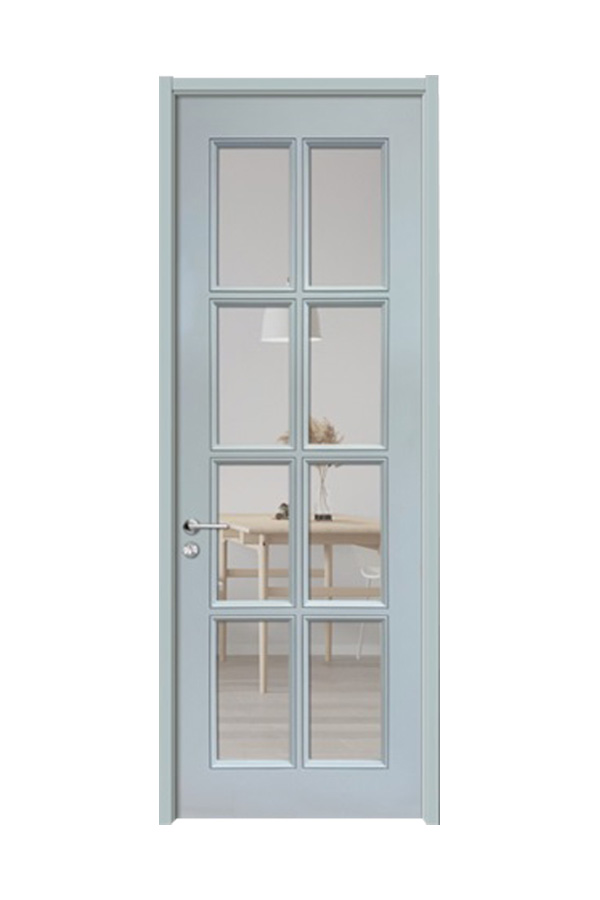
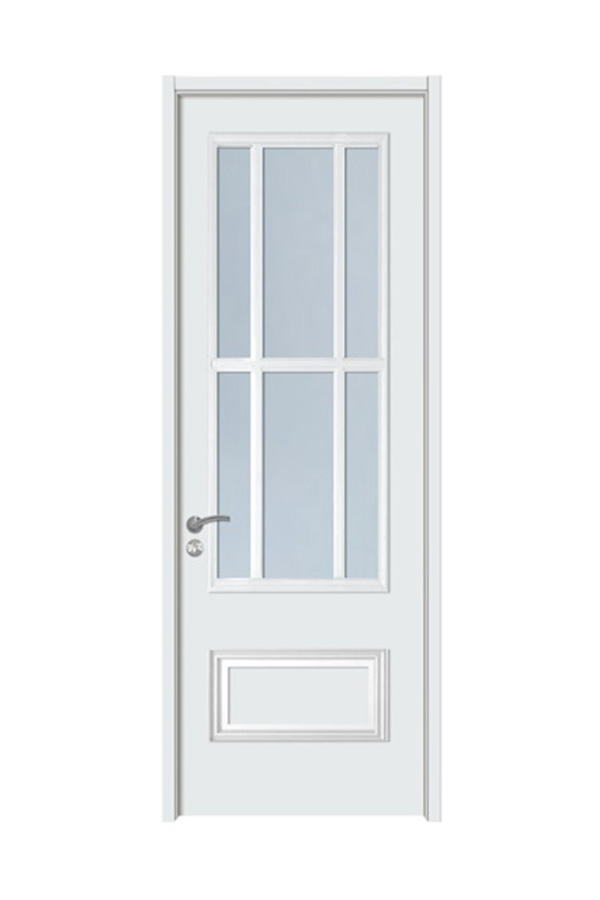
Building a custom door with glass panels is a rewarding project, but experienced woodworkers and DIY enthusiasts alike consistently ask a critical question: what joint is strong enough to prevent the frame from sagging or twisting over time? This is a central concern in Wood Glass Door Design, where the frame must support the weight of the glass without the structural help that a solid wood panel would provide. Unlike a solid door, a glass door relies entirely on its corner joints for strength and rigidity.
Discussions on forums reveal a strong consensus: while several methods can work, some joints are demonstrably better suited for the unique demands of a glass-filled frame. The choice of joinery directly impacts the door's longevity and performance.
The Strongest Contenders: Mortise and Tenon vs. Dowels
When professional builders and experienced hobbyists debate the better joint for a glass door frame, two methods consistently rise to the top.
Mortise and Tenon Joinery: This classic method is frequently cited as the gold standard for strength and durability, especially for larger or heavier doors. A mortise and tenon joint provides a large glue surface and a mechanical interlock that resists racking forces exceptionally well. One forum participant building a large display case was advised to "go with mortise and tenon and sleep better at nights". While it requires more skill or specialized tooling (like a mortiser), the resulting frame is incredibly rigid and stable. At Zhejiang Jiangshan Giant-Young Co., Ltd., our commitment to quality in Wood Glass Door Design often incorporates engineered joinery that mirrors the strength of traditional methods.
Doweled Joints: Dowels are a very close second and are often recommended for their nice strength-to-complexity ratio. They offer substantial glue surface area and, when done correctly, create a very strong joint. One builder with 25 years of experience noted that for glass cabinet doors, dowels "would probably be fine," while expressing more hesitation about simpler methods. They are a reliable choice for many custom door projects.
Joints That Require Caution
Not all joinery methods are ideal for the unique stresses of a glass door frame.
Cope-and-Stick Joints (with a router bit set): This is a popular and fast method for making cabinet doors, but its suitability for glass doors is hotly debated. The concern is that the joint's gluing surface is relatively small, relying morely on a thin tongue. Tests and anecdotal evidence suggest it is one of the weaker joinery methods. While some have success with it for smaller doors, others warn against it for larger, heavier glass panels. One woodworker explicitly decided against it for a 46-inch-tall door after considering the weight of the glass.
Mitered Joints (with glue only): This method is almost universally discouraged for structural, load-bearing frames. A simple glued miter joint offers very little long-grain-to-long-grain gluing surface and is prone to failure under the weight and stress of a glass panel. A novice builder asking about using mitered joints for a large china cabinet was quickly advised against it, with suggestions to use half-lap or dowel joints instead for adequate strength.
The Role of the Glass Itself
An interesting technique that can dramatically increase a door's rigidity is to "glue" the glass panel in place using a flexible adhesive like silicone. This creates a "stressed skin" panel, where the glass becomes a structural member, bracing the frame and preventing it from racking.
How it Works: Applying a bead of flexible adhesive (like clear silicone) between the glass and the frame's rabbet bonds the two together. Once cured, this distributes the load across the entire door.
Practical Benefits: Builders who use this method report that it makes even lighter cope-and-stick frames feel incredibly solid and prevents the glass from rattling. Importantly, if the glass ever breaks, the silicone can be cut with a razor knife for a clean replacement.
Making the Right Choice
Ultimately, the "better" joint depends on the door's size, the builder's skill, and the desired aesthetic. However, the collective wisdom from those who build them every day is clear:
For strength and peace of mind, especially on large doors, choose mortise and tenon or high-quality dowel joinery.
If you prefer cope-and-stick for its efficiency, strongly consider using a flexible adhesive to bond the glass to the frame. This can transform a potentially weak door into a very rigid assembly.
Avoid simple glued miter joints for any glass door that needs to bear significant weight or resist racking.
By understanding the strengths and weaknesses of each joinery method, you can ensure that your beautiful Glass Doors For Houses remain true and functional for years to come.