

 English
 русский
 Français
 Español
 Deutsch



Modern interior design is placing greater emphasis on details that connect different areas of a space. Doors are no longer treated as purely functional building components; their profiles, surface finishes and proportions also influence the overall appearance of a room. As minimalist interiors evolve towards warmer colours and more personalized details, Modern Moulding Doors are attracting attention from residential developers, building contractors and interior door distributors. However, selecting the right door involves more than appearance. Material stability, moulding consistency, installation requirements and maintenance also deserve careful consideration.
Clean Moulding Profiles Meet Changing Interior Preferences
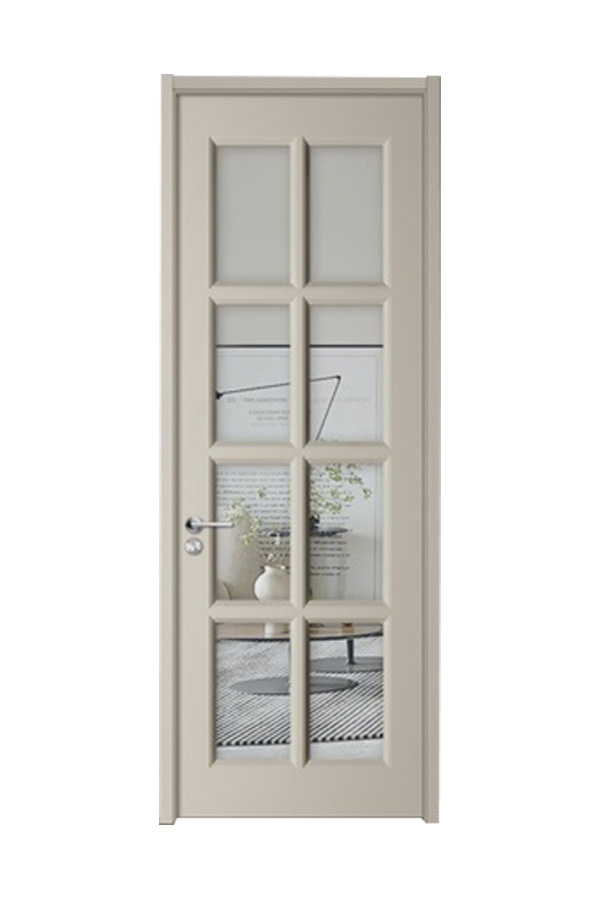
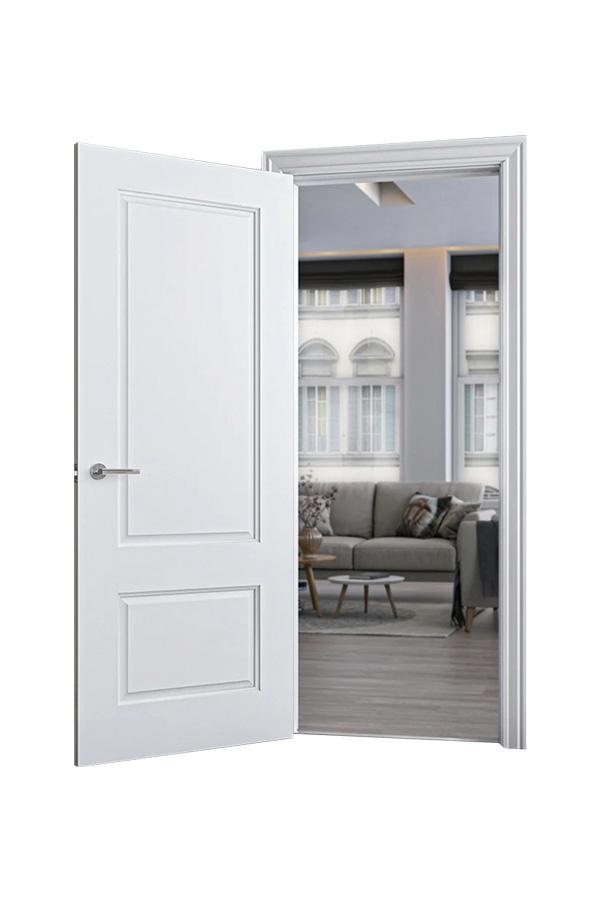
Contemporary interiors increasingly favour simple geometric patterns, subtle recessed panels and clean decorative lines. Instead of heavily carved surfaces, many projects use restrained moulding details to create visual depth without making a room feel crowded.
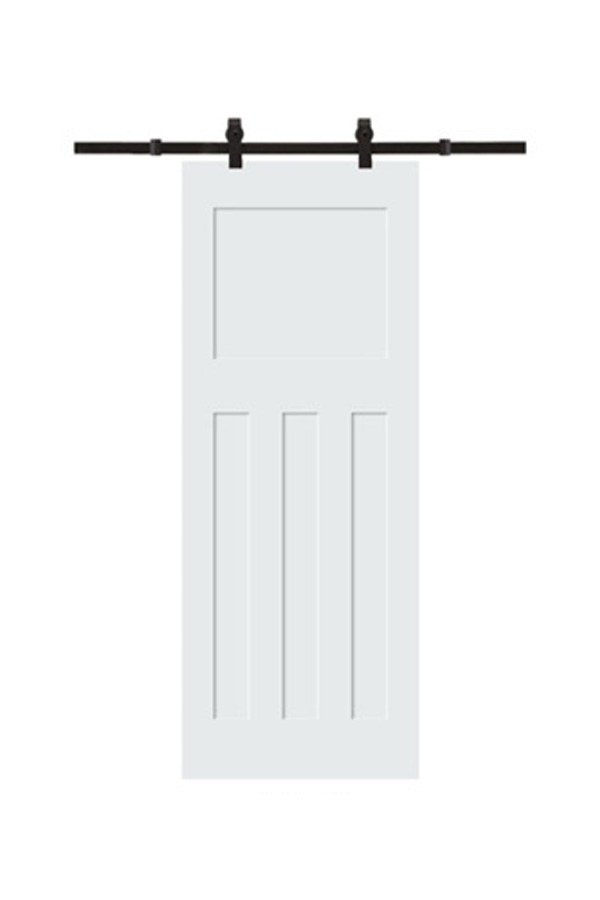
For door manufacturers and distributors, this creates opportunities to offer designs that work across different interior styles. Flat-panel designs, Shaker-inspired profiles and understated raised panels can complement modern apartments, hotels and residential developments. Warm wood tones and neutral painted finishes also provide flexibility when coordinating doors with flooring, wall panels and furniture.
Choosing the Right Surface Finish for Daily Use
A door may look attractive in a showroom but face different conditions after installation. Fingerprints, cleaning products, humidity and repeated contact can gradually affect its surface appearance.
When selecting Modern Moulding Doors, buyers should consider the intended environment and maintenance requirements. A smooth painted finish may suit contemporary bedrooms, while wood-grain decorative surfaces can create a warmer appearance in living areas.
We recommend evaluating:
- Surface consistency across different production batches.
- Resistance to everyday scratches and cleaning.
- Edge finishing around moulded details.
- Compatibility between the finish and the door's base material.
These considerations help reduce quality complaints after delivery.
Material Stability Matters Beyond Appearance
The substrate plays an important role in door performance. Engineered wood and MDF-based constructions are commonly used in moulded door production because they support consistent decorative profiles and different surface treatments.
However, material selection should match the installation environment. Areas exposed to frequent moisture require particular attention to substrate suitability, edge sealing and surface protection. Buyers should also confirm whether the proposed door construction is appropriate for the local climate and intended application.
As a manufacturer, we consider material preparation and moulding consistency important parts of production quality. A well-defined manufacturing process helps maintain the appearance of the door while reducing differences between individual units.
Preventing Problems During Door Installation
Even a well-produced door can create problems if the opening dimensions and installation conditions are not properly checked. Incorrect measurements may result in uneven gaps, difficult closing or additional trimming on site.
Before placing a bulk order, project buyers should confirm door height, width, thickness, frame compatibility and hardware positions. It is also useful to clarify whether products are supplied as door slabs or complete door sets.
Providing accurate measurements at the quotation stage helps manufacturers assess production requirements and reduces unnecessary adjustments during installation.
Matching Door Designs Across Different Project Spaces
Residential developments and hospitality projects often require several door styles while maintaining a consistent interior appearance. Using coordinated moulding profiles and finishes can help create a unified design throughout bedrooms, corridors and shared spaces.
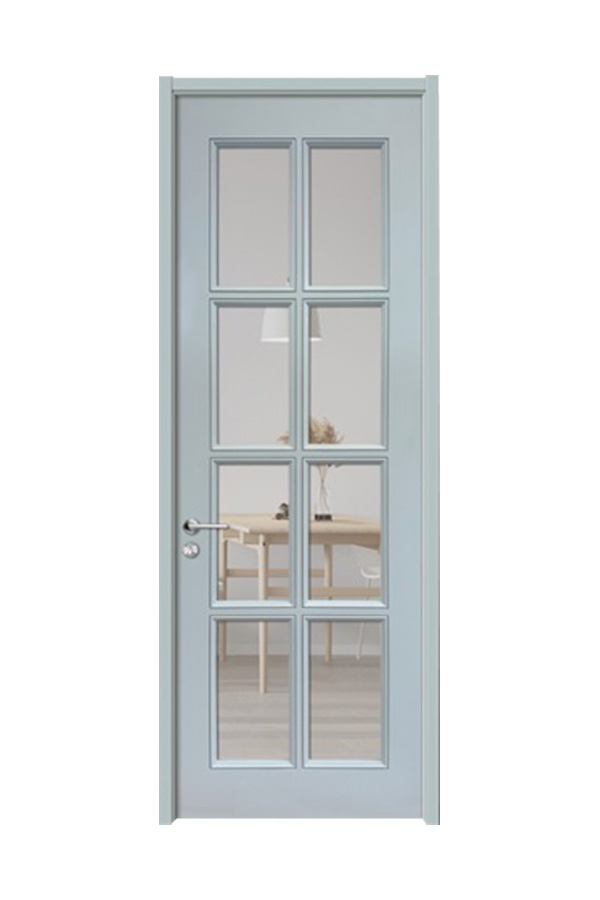
For example, simple panelled doors may suit bedrooms, while doors with glass inserts can be considered for selected areas where additional light is needed. The key is to balance privacy, appearance and practical use rather than applying the same configuration to every room.
What Buyers Should Check Before Bulk Purchasing
For distributors and construction companies, product consistency is just as important as the initial sample. Before confirming an order, buyers should review material specifications, finish options, dimensional tolerances, packaging methods and quality inspection procedures.
Sample approval should cover the actual moulding depth, surface texture, colour and edge details. Buyers should also discuss times, customization requirements and replacement arrangements before production begins.
Clear communication at this stage makes order management easier and helps prevent differences between approved samples and delivered products.
Working with a Manufacturer for Project-Specific Requirements
Different markets have different preferences for door dimensions, decorative profiles, colours and construction methods. Working directly with a manufacturer allows buyers to discuss these requirements before production and evaluate suitable product configurations.
At the manufacturing stage, attention to moulding details, material selection, surface treatment and dimensional inspection supports more consistent product delivery. For distributors, contractors and project developers, these factors can make a meaningful difference to installation efficiency and customer satisfaction.
As interior design continues to combine simple forms with warmer decorative details, Modern Moulding Doors offer a practical way to connect appearance with everyday functionality. Choosing suitable materials, finishes and production specifications helps buyers develop door collections that respond to changing market preferences while meeting the requirements of real building projects.