

 English
 русский
 Français
 Español
 Deutsch



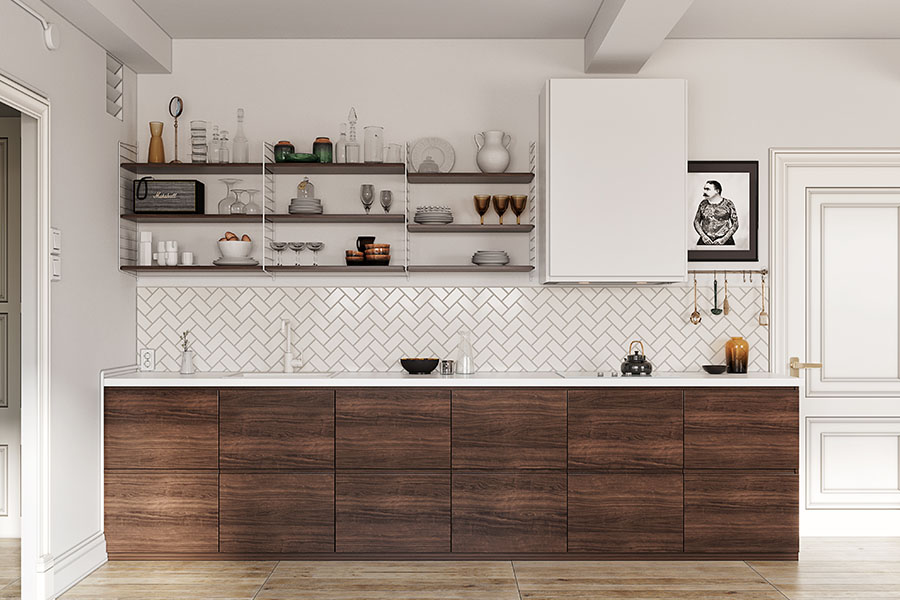
Moisture exposure is a key consideration when selecting cabinets for kitchens in humid climates, rental properties, and high-use residential projects. Water around sinks, steam from cooking, and small plumbing leaks can gradually affect cabinet panels, edges, and hardware. For overseas importers, contractors, and furniture distributors, understanding these risks helps prevent avoidable maintenance issues. As a manufacturer, we recommend evaluating the entire Kitchen Cabinet structure, including panel materials, edge sealing, surface finishes, and installation details.
Select Cabinet Materials for the Intended Environment
Different cabinet materials offer different levels of moisture resistance, structural stability, and cost efficiency. Plywood, MDF, and particleboard are widely used, but their performance depends on grade, manufacturing quality, and protective treatment.
For projects in humid regions, buyers should request clear material specifications and confirm whether panels are suitable for the intended application. Moisture-resistant grades may provide additional protection, but they should not be treated as waterproof. Choosing materials according to actual environmental conditions helps balance durability and budget.
Pay Attention to Edges and Cutouts
Exposed panel edges are vulnerable points, particularly around sink cabinets, plumbing openings, and countertop connections. If protective sealing is incomplete, moisture may enter the substrate and contribute to swelling or deterioration.
As manufacturers, we recommend checking edge banding quality, corner finishing, and the treatment of drilled openings. Buyers sourcing kitchen cabinets wholesale should also confirm that these details are covered by production inspection rather than evaluating only the visible door surfaces.
Protect Sink Cabinets from Water Exposure
The cabinet beneath a kitchen sink faces a higher risk of leaks and condensation because it houses plumbing connections and may store damp cleaning supplies. A suitable cabinet layout should allow convenient access to pipes while keeping vulnerable panel areas protected.
Useful precautions include:
- Checking pipe connections for leaks before installation is completed.
- Sealing appropriate joints and exposed edges.
- Keeping the cabinet interior dry and well maintained.
- Inspecting the area periodically for signs of swelling or discoloration.
These practical measures can help extend cabinet service life without requiring expensive design changes.
Choose Finishes That Are Easy to Maintain
Cabinet finishes help protect surfaces from everyday spills, grease, and routine cleaning. However, resistance varies by coating type and product construction. Buyers should review cleaning instructions and avoid assuming that every decorative finish offers the same level of protection.
For custom kitchen cabinets, requesting material samples can help project teams assess surface appearance and cleaning requirements before production. A finish that suits the target market should combine the desired appearance with manageable maintenance needs.
Consider Ventilation and Installation Conditions
Even well-made cabinets may experience problems if installed in areas with persistent dampness or inadequate ventilation. Steam buildup, plumbing leaks, and direct contact with wet floors can increase the risk of damage.
Installers should check wall and floor conditions, ensure plumbing connections are accessible, and follow the manufacturer's installation instructions. Adequate ventilation around moisture-producing appliances also helps maintain a more suitable kitchen environment.
Inspect Quality Before Shipment
A structured inspection process helps buyers identify potential weaknesses before cabinets reach the installation site. Important checkpoints include panel quality, edge sealing, door alignment, hardware installation, and packaging protection.
For international orders, clear product specifications and approved samples are particularly valuable. They help manufacturers and buyers maintain consistent expectations across production batches and reduce misunderstandings during quality acceptance.
Build a More Reliable Kitchen Cabinet Specification
Moisture protection depends on the combination of suitable materials, properly finished edges, reliable installation, and regular maintenance. Importers and contractors should assess these factors before selecting a Kitchen Cabinet range for their target market. By working with a manufacturer that clearly documents material specifications and quality-control procedures, buyers can make better-informed purchasing decisions and offer cabinet solutions suited to everyday kitchen conditions.