

 English
 русский
 Français
 Español
 Deutsch



Kitchen storage has become an important consideration in residential renovation, apartment development, and fitted furniture projects. Buyers are looking for practical cabinet designs that maximize usable space without making kitchens feel crowded. For importers, contractors, and furniture distributors, selecting the right Kitchen Cabinet configuration requires careful attention to layout, hardware, internal organization, and installation requirements. As a manufacturer, we focus on solutions that balance everyday convenience with production efficiency and long-term usability.
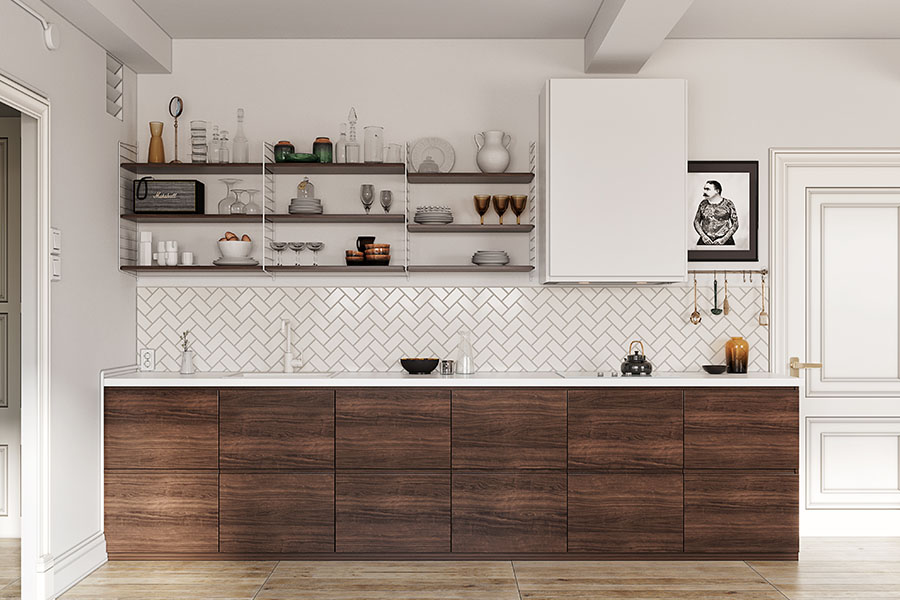
Deep Drawers Make Everyday Items Easier to Reach
Traditional shelves can make heavy cookware difficult to access, especially when items are stored at the back. Deep drawers provide a practical alternative for pots, pans, mixing bowls, and other frequently used kitchen essentials.
When sourcing custom kitchen cabinets, buyers should evaluate drawer depth, slide mechanisms, and load capacity according to the intended application. Full-extension slides allow users to reach items more easily, while soft-close systems help reduce noise during operation. These features can improve the user experience without requiring major changes to the overall kitchen layout.
Corner Cabinet Designs Reduce Unused Space
Corner cabinets are often challenging to organize because their internal areas may be difficult to reach. This issue is particularly common in L-shaped and U-shaped kitchens, where two cabinet runs meet.
Several solutions can improve accessibility:
- Rotating shelves: Suitable for organizing cookware and smaller kitchen supplies.
- Pull-out corner systems: Bring stored items forward for easier access.
- Optimized cabinet layouts: Adjust cabinet widths and door openings to improve usability.
The right configuration depends on available space, budget, and hardware requirements. Confirming measurements before production helps prevent interference between cabinet doors, drawers, and nearby appliances.
Vertical Storage Supports Compact Kitchen Layouts
In apartments and smaller homes, vertical storage can increase capacity without extending the cabinet footprint. Tall pantry cabinets provide space for packaged food, while narrow pull-out units can accommodate spices, bottles, and cleaning products.
Adjustable shelves are useful because household storage needs change over time. However, designers should consider shelf loading, cabinet stability, and convenient access to higher compartments. For projects serving different international markets, manufacturers and buyers should also confirm ceiling heights and common appliance dimensions before finalizing cabinet specifications.
Internal Organizers Improve Daily Kitchen Workflow
A well-organized cabinet interior can reduce clutter and make cooking more efficient. Cutlery trays, adjustable dividers, waste-sorting units, and under-sink organizers help separate items according to their function.
For wholesale kitchen cabinet projects, it is important to select accessories based on the target customer's needs rather than adding every available option. For example, families may value larger cookware drawers, while rental apartments may benefit more from durable, easy-to-clean storage configurations. Standardized accessories can also simplify purchasing and replacement.
Hardware Quality Influences Storage Performance
Cabinet storage systems depend on reliable hinges, drawer slides, and mounting components. Poorly matched hardware may cause drawers to sag, doors to become misaligned, or moving components to wear prematurely.
Before placing an order, buyers should confirm load ratings, opening dimensions, adjustment options, and expected usage. Manufacturers should also check hardware installation during quality control. Consistent specifications are particularly useful for distributors and contractors managing multiple properties because they make installation, maintenance, and replacement more straightforward.
Accurate Planning Prevents Installation Delays
Storage accessories cannot perform properly if the cabinet dimensions or surrounding layout are incorrect. Uneven walls, plumbing connections, appliance clearances, and door-opening directions can all affect the final installation.
Before production begins, buyers should confirm the following details:
- Overall cabinet dimensions and available wall space.
- Locations of sinks, pipes, electrical outlets, and appliances.
- Drawer and door clearances.
- Required storage accessories and internal dimensions.
Approved drawings help align manufacturers, installers, and project managers before materials enter production. This preparation can reduce unnecessary modifications and improve coordination during installation.
Choose Storage Features That Match Project Requirements
Effective kitchen storage depends on more than cabinet capacity. Accessibility, hardware reliability, material selection, and installation accuracy all contribute to the finished result. By evaluating these factors before ordering, importers, contractors, and distributors can select a Kitchen Cabinet solution that meets practical needs while controlling project costs. As manufacturers, we recommend prioritizing useful storage features and clearly defined specifications to support consistent quality across residential and commercial projects.