

 English
 русский
 Français
 Español
 Deutsch


Choosing a suitable cabinet color is only one part of planning a successful kitchen renovation. Overseas buyers, kitchen contractors, and furniture distributors must also consider surface durability, cleaning requirements, lighting conditions, and consistency across production batches. A well-selected Kitchen Cabinet finish can support a cohesive interior design while helping reduce maintenance concerns after installation. For manufacturers and importers, understanding these practical factors makes it easier to select products that meet both customer expectations and project requirements.
Match Cabinet Colors with Countertops and Flooring
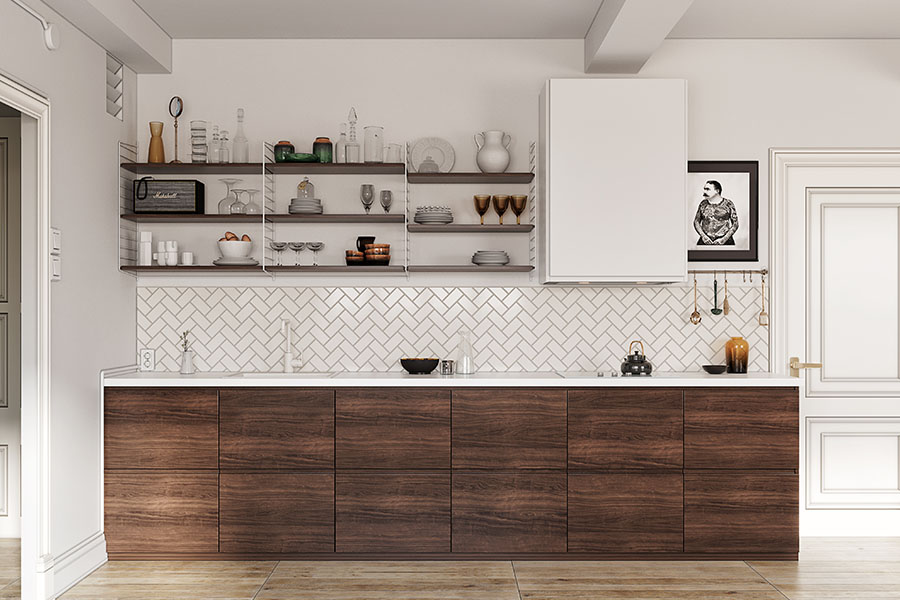
Cabinet colors can look different depending on surrounding materials and natural light. White and warm neutral tones often complement a range of interior styles, while darker finishes can create contrast in larger kitchens. Wood-grain designs offer another option for projects seeking a natural appearance without relying entirely on solid wood.
Before confirming a color scheme, buyers should compare cabinet samples with the actual countertop, flooring, and backsplash materials. Reviewing samples under both daylight and artificial lighting can help identify unwanted undertones and prevent mismatched finishes. For large residential developments, approving a physical sample before mass production also helps establish a clear reference for color consistency.
Select Surface Materials Based on Daily Use
Different cabinet finishes respond differently to fingerprints, scratches, heat, and cleaning products. The option depends on the kitchen's expected usage and the maintenance standards of the target market.
Common options include:
- Melamine-faced panels: Suitable for many cost-conscious projects, with a broad selection of colors and patterns.
- Thermofoil finishes: Offer a continuous surface appearance, although heat exposure near ovens and other appliances requires careful consideration.
- Painted finishes: Provide flexibility in color selection but may require more careful handling to prevent chips and scratches.
- Wood veneer: Creates natural grain variation and a distinctive appearance, with maintenance needs depending on the coating system.
As a manufacturer, we recommend evaluating the complete panel construction and finish specifications rather than comparing surface appearance alone.
Improve Fingerprint and Stain Resistance
Cabinet doors around cooking areas frequently come into contact with oil, food residue, and fingerprints. Highly visible marks can make a kitchen appear untidy even when the cabinets remain structurally sound.
For busy households and rental properties, buyers may prefer finishes that are easy to wipe clean and less likely to show everyday marks. Surface samples should be tested using the cleaning methods recommended by the supplier. Abrasive pads and harsh chemicals may damage some coatings, so clear maintenance instructions are important for distributors and end users alike.
Balance Matte and Glossy Finishes
Matte and glossy cabinet doors create different visual effects. Matte surfaces generally produce a softer appearance, while glossy finishes reflect more light and may help a compact kitchen feel brighter. However, the visibility of fingerprints, smudges, and minor scratches varies according to the material, color, and surface texture.
For projects with limited natural light, combining lighter cabinet colors with suitable task lighting can improve the overall visual effect. In larger kitchens, darker lower cabinets paired with lighter upper units can create contrast without making the entire room feel heavy.
Maintain Consistency Across Bulk Orders
Color consistency becomes especially important when purchasing kitchen cabinets wholesale for apartments, hotels, or multi-unit residential projects. Small differences between doors or replacement panels can become noticeable after installation.
Buyers should establish the approved finish, panel specifications, edge treatment, and hardware details before production begins. Manufacturers can then use the approved sample and documented specifications as references during quality inspections. For repeat orders, retaining reference samples and confirming production details helps reduce avoidable discrepancies.
Protect Cabinet Surfaces During Shipping and Installation
Even durable finishes can be damaged by friction, impact, or improper handling. Scratches and chipped edges may occur when cabinet doors move against one another during transportation or when installers use unsuitable tools.
Appropriate protective packaging, secure loading, and clear handling instructions help reduce these risks. On-site teams should inspect panels before installation and avoid placing finished doors directly on rough floors. Early inspection also makes it easier to identify transport damage before the cabinets are assembled.
Choose Finishes That Support Long-Term Value
A successful Kitchen Cabinet specification combines attractive colors with practical surface performance, manageable maintenance, and reliable manufacturing quality. Importers, contractors, and distributors should compare samples, confirm finish requirements, and evaluate packaging standards before committing to bulk orders. By selecting finishes according to actual usage conditions rather than appearance alone, buyers can offer cabinet solutions that satisfy design expectations and support dependable performance over time.