

 English
 русский
 Français
 Español
 Deutsch


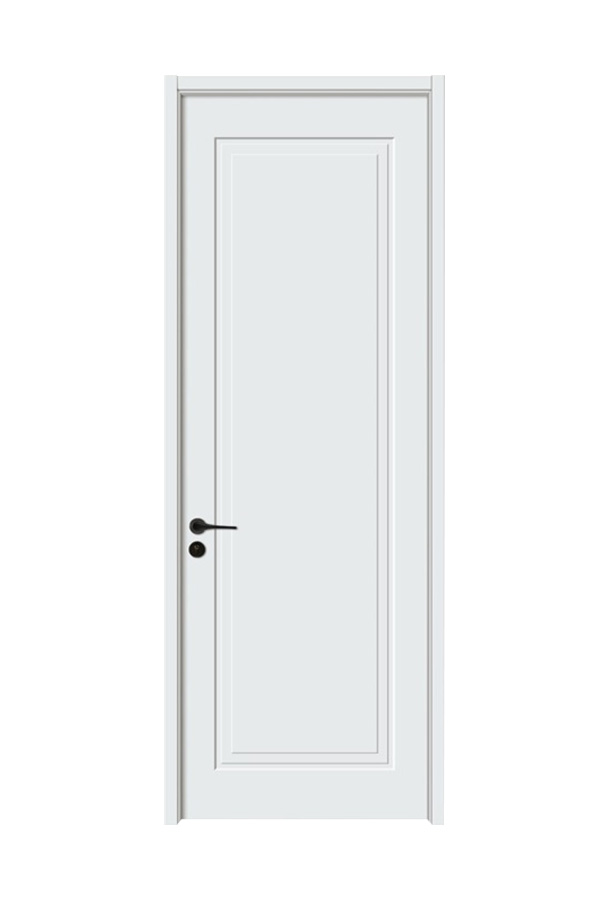
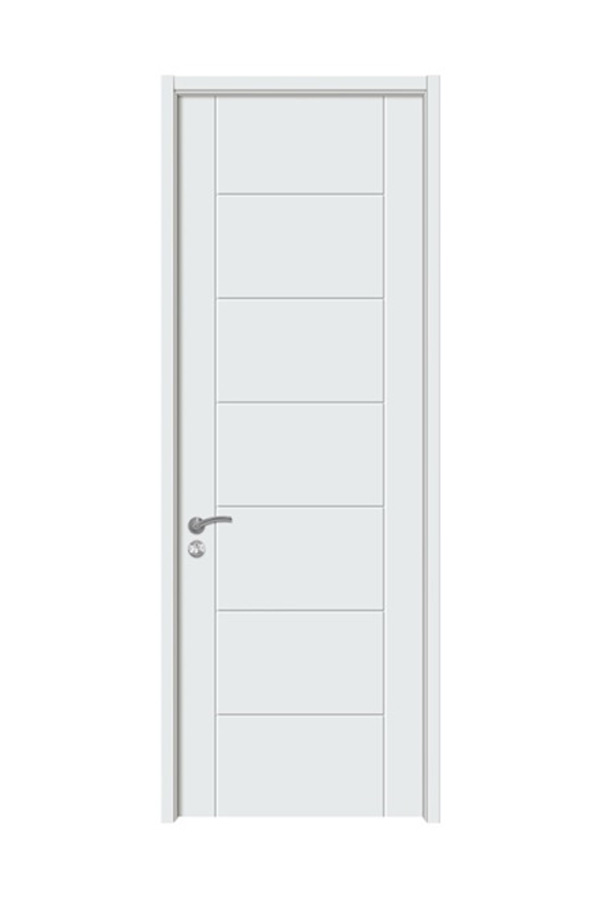
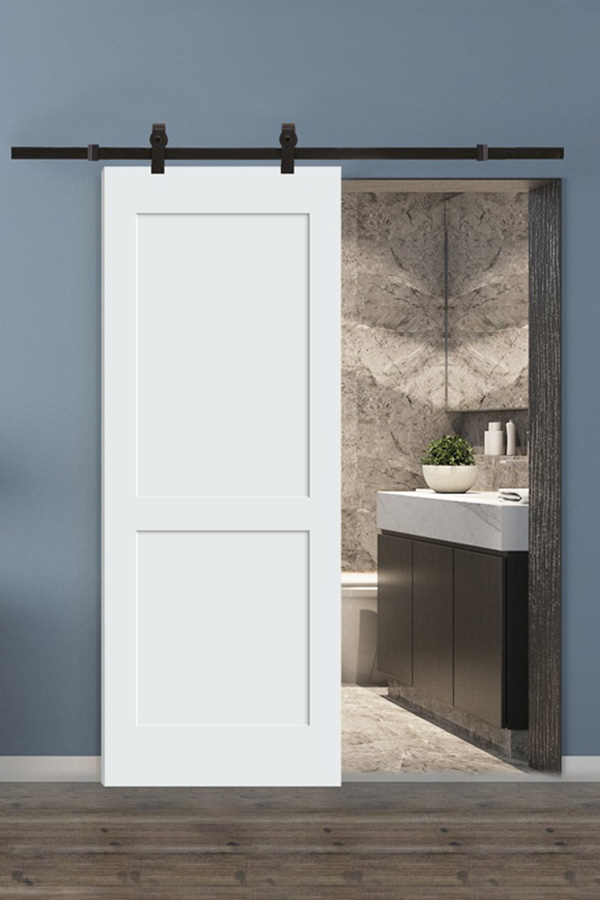
White interior doors are expected to stay bright and clean, yet many homeowners notice a gradual yellow tint developing on the surface. This issue is especially common in interior joinery products such as a White Primed Shaker Door or a Sliding Shaker Door, where smooth painted finishes and factory primers react to environmental and material factors over time.
Our company, based on production experience similar to modern wooden door manufacturers, often receives this complaint during post-installation service feedback.
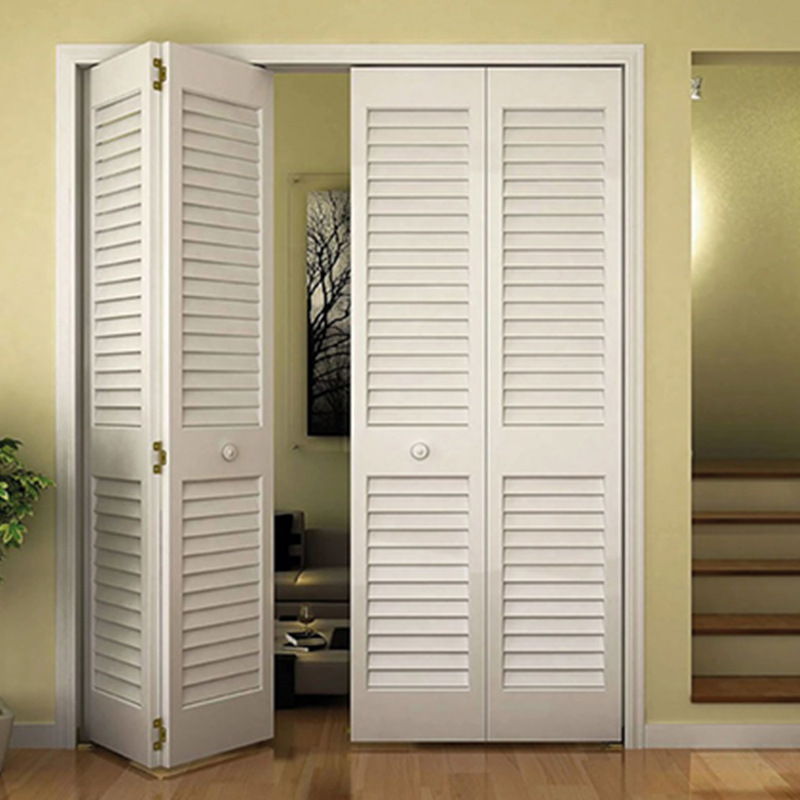
1. Primer chemistry and oxidation reaction
Yellowing is commonly linked to oxidation inside the coating system.
- Oil-modified or low-grade alkyd primer can naturally shift toward amber tones
- Oxygen exposure gradually changes resin structure
- Dark or low-light areas accelerate visible yellowing
Industry analysis shows oxidation is a built-in behavior of some coatings rather than a defect in application
Typical technical note:
- Primer resin type: alkyd / acrylic blend
- Film thickness: 80–120 μm
- Surface curing: 7–21 days depending on humidity
2. UV and light imbalance effect
Light exposure plays a surprising role in color stability.
- UV light helps break down yellowing compounds
- Areas with poor sunlight exposure turn yellow faster
- Doors inside hallways or corners show stronger discoloration
Studies confirm UV degradation and uneven lighting conditions accelerate color change in coated surfaces
This explains why one side of a door may remain white while the reverse side develops a cream tone.
3. Heat and indoor environmental load
Interior temperature fluctuations also contribute.
Common sources:
- Radiator proximity
- Kitchen heat transfer
- Steam and humidity from bathrooms
Heat speeds up resin aging and chemical breakdown in coatings
Typical observed condition:
- Continuous exposure above 35°C increases yellowing risk
- Humidity above 70% slows curing stability
4. Surface contamination and household chemicals
Even a well-finished door can discolor due to surface reaction.
- Cooking grease particles in air
- Cleaning agents with ammonia or strong surfactants
- Nicotine or airborne pollutants in older interiors
These particles bind to micro-pores in the paint film and create a visible yellow layer over time.
5. Material bleed-through from substrate
Sometimes the problem originates below the paint layer.
- Wood tannins migrating upward
- Insufficient sealing primer application
- Mixed water/oil system incompatibility
This is often seen in engineered wooden doors where base sealing is not fully cured before top coating.
6. Manufacturing factors in primed door systems
From a production standpoint, door quality control plays a major role.
Our company’s production process (similar to industry standards used for interior wood doors) focuses on:
- Moisture content control: 8%–12% before coating
- Primer layer: dual-coat sealing system
- Sanding grit: P180–P240 between coats
- Curing time: 24–48 hours per layer
Poor control in any of these steps increases long-term yellowing risk.
7. Why shaker-style doors show discoloration more clearly
Flat-panel designs like White Primed Shaker Door and Sliding Shaker Door make yellowing more visible due to:
- Large uninterrupted surfaces reflect color change more clearly
- Sharp edges collect more dust and oxidation residue
- Shadow lines exaggerate tone differences
Even slight discoloration becomes visually obvious compared to textured or grain-finished doors.
8. Prevention methods used in manufacturing
To reduce yellowing risk, we apply the following technical improvements:
- Water-based acrylic primer instead of oil-based systems
- UV-resistant topcoat additives
- Anti-oxidation resin formulation
- Fully sealed edge banding on all panels
- Controlled humidity curing chambers
Recommended coating performance targets:
- Gloss stability: ΔE < 1.5 after 1 year exposure
- UV resistance: 500–1000 hours QUV test
- Adhesion strength: ≥1.5 MPa cross-cut test
9. Practical solutions for homeowners
Simple corrective actions include:
- Switching to water-based repaint system
- Increasing light exposure in enclosed areas
- Cleaning surface with mild pH-neutral detergent
- Avoiding oil-based polish or wax buildup
- Re-priming with stain-blocking base coat if severe
Yellowing on a white primed door is rarely a single defect. It is usually a combined result of coating chemistry, environment, and surface interaction. Proper material selection, stable curing, and controlled environmental exposure significantly reduce the risk.
From our manufacturing perspective, using improved water-based systems and controlled sealing processes ensures modern interior doors maintain a stable white appearance for a much longer service cycle, even in demanding residential environments.