

 English
 русский
 Français
 Español
 Deutsch



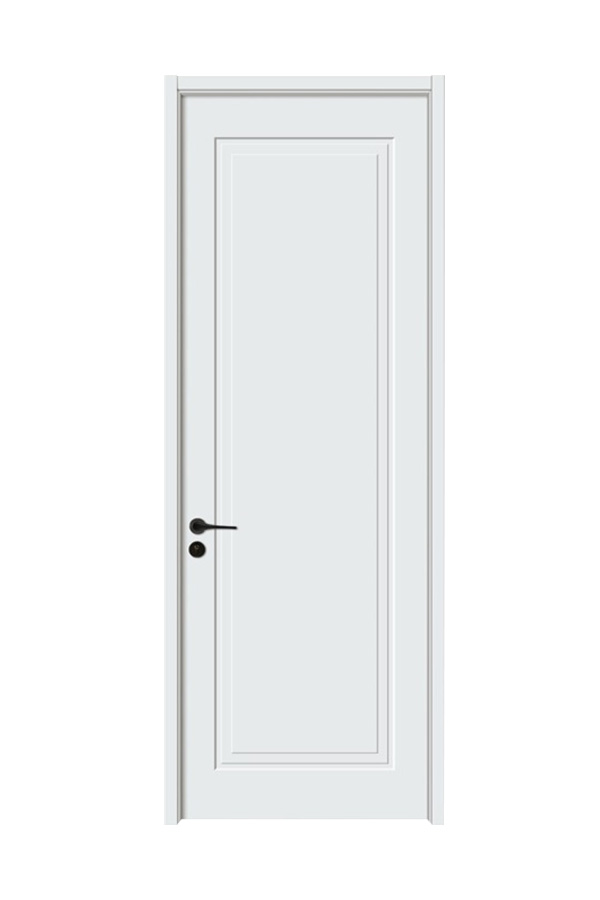
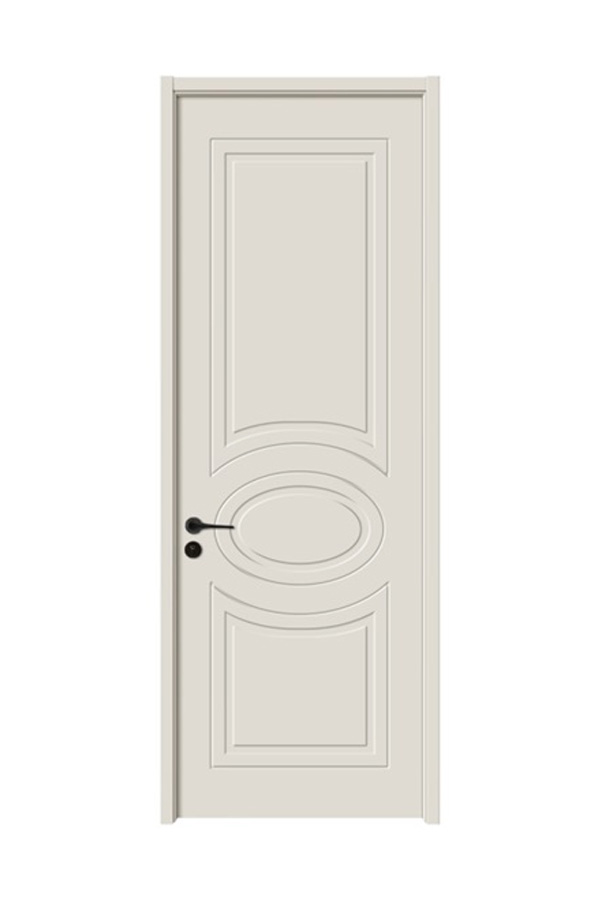
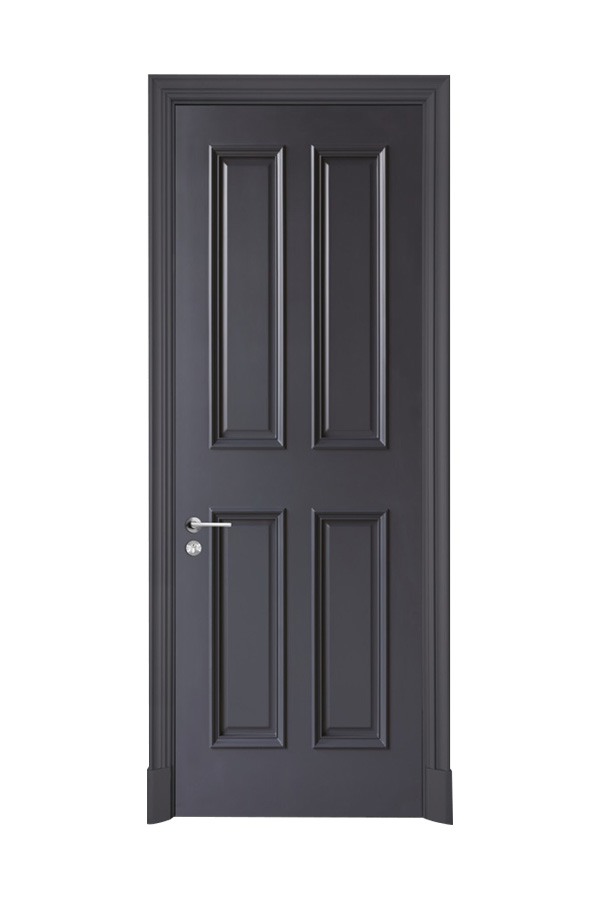
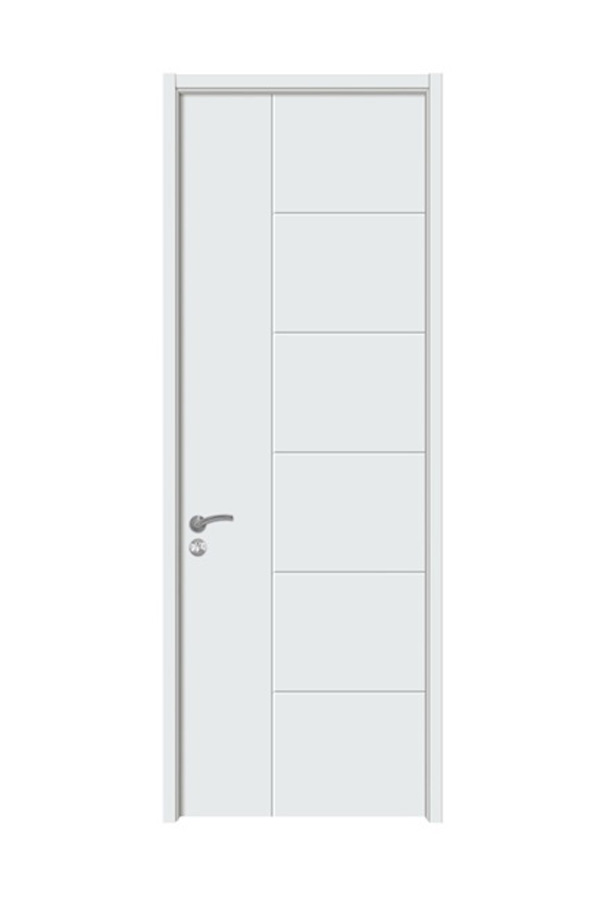
Apartment projects often require interior doors that are visually consistent, easy to coordinate, and suitable for repeated installation across multiple units. Developers and building material buyers must also consider maintenance, space limitations, and purchasing budgets. Modern Moulding Doors provide a range of panel designs and finishes that can meet different residential interior requirements. For manufacturers and distributors, understanding how these doors perform in everyday apartment settings helps support better product selection and project planning.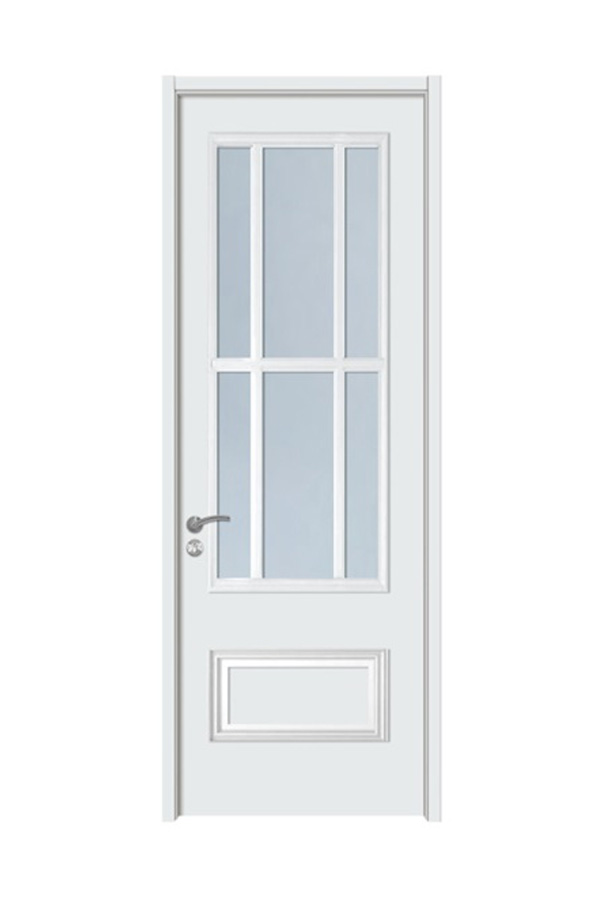
Space-Friendly Designs for Compact Apartments
In smaller apartments, every design detail affects the feeling of space. Doors with simple panel layouts and light-coloured finishes can help maintain a clean visual appearance without making narrow hallways feel overly decorated.
For projects with limited floor space, buyers should also consider door opening direction, frame dimensions, and nearby furniture positions. A suitable door design needs to work with the room layout rather than simply look attractive in a catalogue.
Matching Doors with Flooring and Wall Finishes
Interior doors are usually installed alongside several other decorative materials. If the door colour conflicts with the flooring or wall finish, the overall room design may feel disconnected.
White, beige, and light wood-effect finishes are commonly considered for contemporary residential interiors. However, colour selection should always take the actual project palette into account.
We recommend comparing physical samples with flooring and wall materials before confirming a bulk order. This simple step helps buyers make more informed decisions and reduces the risk of colour-related complaints.
Consider Maintenance in High-Traffic Areas
Apartment doors are used frequently, particularly in bedrooms, kitchens, and shared living spaces. Surface marks, dust, and repeated contact can gradually affect their appearance.
When comparing moulded interior doors, buyers should ask about the surface material, cleaning instructions, coating characteristics, and edge finishing. These details are especially relevant to property managers and developers preparing apartments for long-term rental.
Selecting a finish that suits the expected usage environment can help simplify routine maintenance.
Sound Privacy Depends on Door Construction
Privacy is an important consideration in apartment interiors. Bedroom doors, home office doors, and doors separating shared spaces may need different sound-control requirements.
The core structure, door thickness, perimeter gaps, frame installation, and sealing details can all influence sound transmission. Buyers should therefore review the complete door assembly instead of assuming that the panel design determines acoustic performance.
For projects with specific sound insulation requirements, manufacturers should provide relevant tested specifications where available.
Plan Standard Sizes Before Bulk Production
Apartment developments often involve dozens or hundreds of similar openings. Even small measurement differences can create installation difficulties when products arrive on site.
Before production, procurement teams should confirm the required door sizes, thickness, frame compatibility, hinge positions, lock preparation, and opening direction. If several apartment layouts are involved, preparing a size schedule for each unit type can make communication with the manufacturer more efficient.
Custom Moulding Patterns Support Market Positioning
Different property developers and distributors may prefer different interior styles. Some projects require subtle geometric panels, while others use more traditional moulding details to complement classic furniture and decoration.
OEM and ODM manufacturing allows buyers to discuss panel patterns, finishes, dimensions, and selected product specifications. For importers building their own door collections, this flexibility can help address local market preferences.
However, customized products should be confirmed through approved drawings and samples before mass production begins.
Packaging and Delivery Need Early Coordination
Interior doors are large products that require appropriate protection during storage and transportation. Scratches, corner damage, and surface friction can affect their condition before installation.
Manufacturers and overseas buyers should agree on packaging materials, protective layers, loading methods, and shipping arrangements in advance. Delivery schedules should also match the construction project's installation plan to avoid unnecessary warehouse storage.
For apartment developers, contractors, and distributors, Modern Moulding Doors can support coordinated interior design when product appearance, construction, dimensions, and packaging are considered together. Working with an experienced manufacturer helps turn these requirements into clear production specifications and a more manageable purchasing process.