

 English
 русский
 Français
 Español
 Deutsch


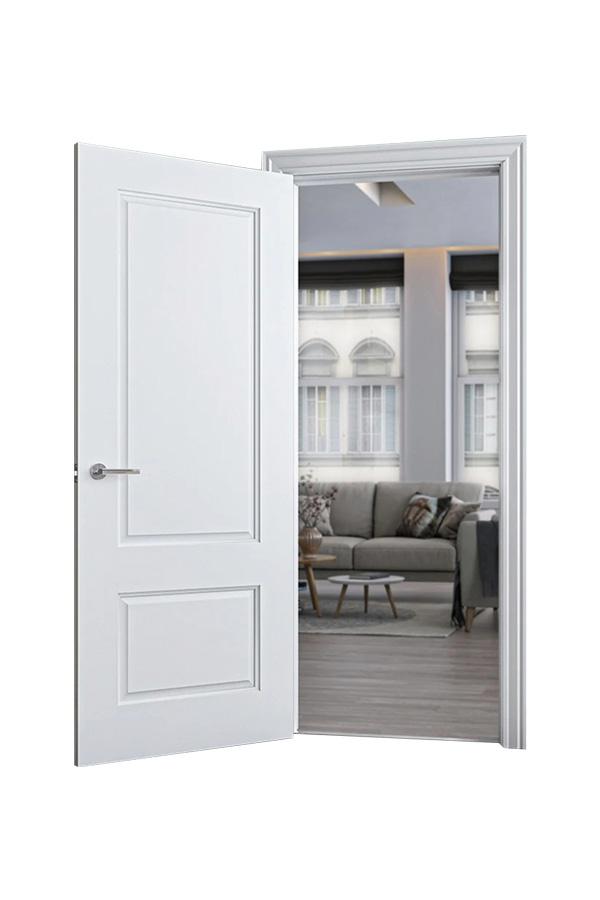
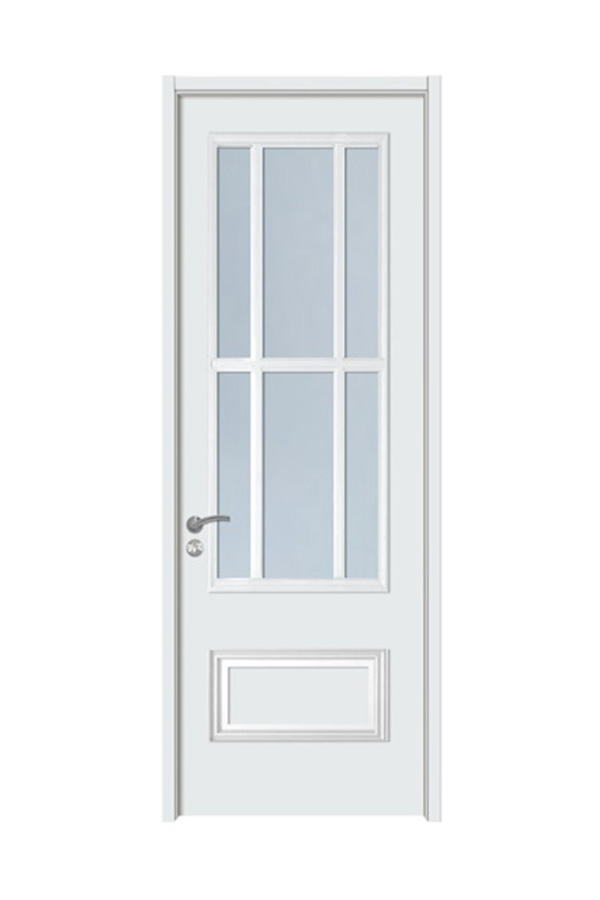
Many building planners and safety-focused professionals frequently ask whether Fire Rated HPL Doors genuinely meet fire protection requirements and regulatory codes — especially in spaces where occupant safety and compliance are critical. At the same time, questions about how an HPL Laminated Interior door performs when fire safety standards apply have become increasingly common among designers and builders. These queries aren’t just about surface performance — they get to the heart of door safety in real use.
What Does “Fire Rated” Actually Mean for HPL Doors?
A “fire-rated” designation means the door has been tested under standardized conditions to resist fire for a defined period — typically 20, 30, 60, or even 90 minutes, depending on the rating system in use. Fire-rated HPL Doors integrate HPL surface materials with a fire-resistant core and sometimes additional intumescent seals — all working together to slow the spread of flames, heat, and smoke during a fire event.
This performance is usually verified by third-party fire testing laboratories under recognized standards (e.g., ASTM, EN, or local equivalents), and only products that pass these tests get listed for code acceptance.

Why Fire Rating Matters for Interior Doors
Users often wonder if interior doors really need fire-rated performance, and the answer depends on your local building code, structure type, and intended door location. Fire protection codes may require rated doors in corridors, stairwells, or between certain rooms and exit paths. These rules aim to provide occupants enough time to evacuate safely.
A Fire Rated HPL Door doesn’t just provide an aesthetic surface — its construction must stand up to standardized temperature exposure while maintaining integrity and limiting the spread of fire and smoke for the designated period.
How Code Compliance Is Verified
For a Fire Rated HPL Doors to meet building codes, it typically must be:
Tested by an accredited lab: Fire ratings are not given arbitrarily; they must be earned through controlled fire exposure tests that monitor heat transmission and structural performance.
Accompanied by documentation: Manufacturers provide certification and fire label information that code officials inspect during building reviews.
Correctly installed: Fire rated doors must be installed with the correct frame, hardware, and seals identified in the tested assembly — because improper installation can void the rating.
This is an important distinction: even a high-performance HPL construction won’t satisfy code if the complete assembly differs from the tested configuration.
Common Concerns About Fire Rating and HPL Surfaces
Some users question whether an HPL surface can truly contribute to fire safety or if it’s just decorative. In reality, the HPL surface plays both aesthetic and functional roles. HPL is a high-pressure laminate applied through heat and pressure to create a dense, resilient exterior. While the fire resistance of the surface alone isn’t the rating’s basis, the combination of HPL with fire-rated cores and seals forms a composite assembly that can perform reliably under fire test conditions.
In fact, HPL-covered assemblies often show strong resistance to heat, impact, and smoke spread during testing — characteristics that building officials evaluate when assessing compliance.
Can These Doors Be Installed Anywhere?
Building codes vary widely by region and building type, but typical requirements for compliance include:
Placement in specified fire partitions: Some jurisdictions designate certain corridors, utility rooms, or stairway access points where rated doors are mandatory.
Matching the rating to occupancy risk: Higher occupancy or higher risk buildings (e.g., hotels, healthcare facilities) often require doors with longer fire resistance times.
Integration with approved frames and hardware: Rated doors must work with compatible frames, automatic closers, and rated hardware to maintain their effectiveness.
Because codes differ, it's always advisable to work with local code officials or architects to confirm what rating is necessary for your specific application.
Misconceptions About Fire Rated HPL Doors
A few common questions arise around fire rated HPL doors:
“Can any HPL door be fire rated?”
Not all HPL doors are fire rated in their basic form — only those specifically engineered and tested to meet established standards should be labeled as fire rated.
“Do fire rated doors look industrial?”
Fire Rated HPL Doors can offer high-quality aesthetics similar to non-rated interior doors, thanks to the versatile design options that HPL surfaces allow.
“Is code compliance automatic?”
No — even a certified door must be installed correctly and documented to satisfy building inspectors.