

 English
 русский
 Français
 Español
 Deutsch


Many people struggle with house decor interiors because they aren’t sure how to define their personal interior style. It’s one thing to admire beautiful rooms online or in magazines — and another to translate those visuals into a home that feels like you. When choosing a home interior design company, understanding your own style initially can help ensure the final design feels cohesive and true to your personality rather than a random mix of trends. A lot of users have asked how to find that sense of style, and the answers often involve a combination of introspection, visual exploration, and practical assessment.
At Zhejiang Jiangshan Giant-Young Co., Ltd., we believe that discovering your unique style not only makes decorating more enjoyable but also helps create spaces that bring long-term comfort and satisfaction.
1. Look at What You’re Visually Drawn To
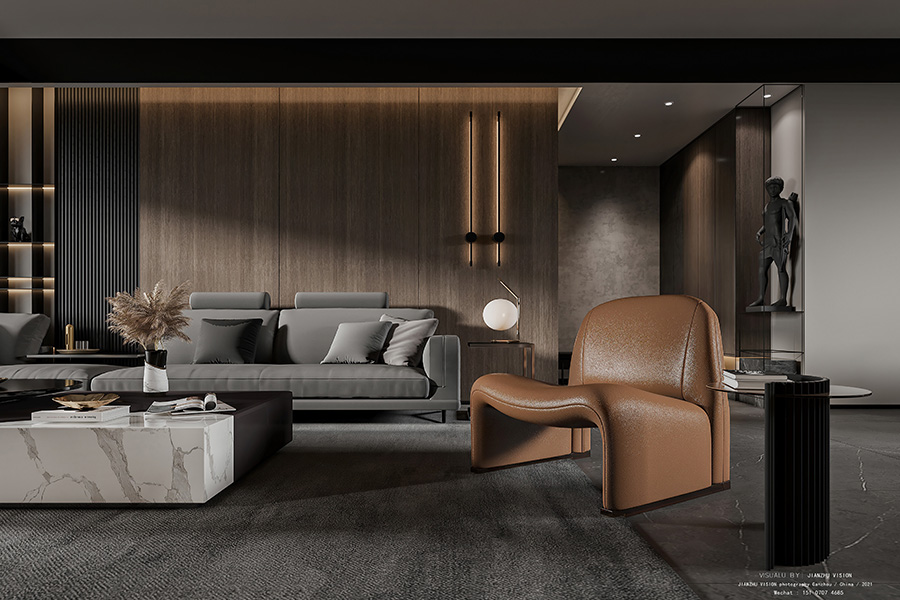
The very initial step in defining your personal style is noticing what naturally attracts you. A simple strategy many homeowners use is to gather images from social media, design blogs, or magazines that appeal to them visually. Create a folder or mood board and start saving these photos. Over time, themes begin to emerge — perhaps you’re drawn to warm wood tones, minimalist layouts, or bold color pops.
This visual curation process helps uncover common threads in your preferences. Once you see patterns — whether it’s a color palette, furniture shape, or decorative detail — you’ve taken the initial step toward describing your interior aesthetic.
2. Assess Your Everyday Life and Needs
Interior style isn’t just about visuals; it’s also about function. Ask yourself: How do you use your home on a daily basis? Do you entertain often? Do your children play frequently in living areas? These lifestyle factors influence what styles might feel right. For example, a busy household with kids might lean toward durable, easy-to-clean surfaces and generous storage, while a space used for hosting may benefit from a more open plan and layered lighting.
Matching aesthetic preferences with your real life makes your house decor interiors not just pretty, but comfortable and practical.
3. Use Visual Tools to See Patterns
If words are hard, pictures help. Creating a Pinterest mood board is a popular method people use to track their style preferences visually. As you pin more images, look back at them regularly and identify recurring themes — do you notice a lot of clean lines? A penchant for earthy colors? A love of vintage pieces? It’s this repetition that tells you a lot about your natural design inclinations.
Another helpful visual tool is mood boards — digital or physical — that combine textures, color swatches, and photos that feel right to you. These tools make abstract preferences easier to understand and communicate.
4. Notice What You Already Own and Love
Sometimes your personal style clues are in the pieces you already own. What furniture do you return to again and again? Which objects in your home hold personal meaning? These favorites can act as anchors for your overall design and give insight into your aesthetic instincts.
This is especially useful if you plan to work with a home interior design company: knowing what you want to keep helps the designers create a seamless look that integrates existing items with new elements.
5. Identify What You Don’t Like
Clarity often comes from contrast. Another common strategy people mention in design communities is to make note of things you dislike. Whether it’s colors that feel overwhelming or furniture styles that don’t resonate, identifying what turns you off helps narrow down your options. Eliminating elements is as valuable as collecting favorites.
This approach simplifies decision-making and keeps your choices purposeful rather than arbitrary or trend-driven.
6. Blend Inspiration with Practicality
Your personal interior style doesn’t have to fit neatly into a single labelled category like “modern” or “rustic.” Many homeowners find their style through a mix — perhaps combining clean modern lines with organic textures or antique accents. The key isn’t to force yourself into a specific box, but to blend influences in a way that feels cohesive and personal.
Interior designers often help clients merge these inspirations into a unified style that reflects both their tastes and how they live in their space.
7. Be Open to Evolution
Personal style isn’t static — it can shift over time as your tastes evolve. What felt right five years ago may no longer reflect who you are today. Embrace this evolution as part of your design journey rather than a source of confusion. A flexible mindset allows your home to grow with you, becoming richer and more meaningful over time.
Defining your personal interior style for house decor interiors doesn’t have to be overwhelming. By exploring what visually resonates with you, examining how you live each day, and using tools like mood boards or inspiration collections, you’ll start to see a clearer picture of what style feels like you. Once you have that foundation, working with a home interior design company becomes more productive and satisfying — designers can translate your preferences into a space that truly feels like home.
At Zhejiang Jiangshan Giant-Young Co., Ltd., we encourage homeowners to take time with this process, because style isn’t just about trends — it’s about creating a space that reflects your life, your memories, and your aspirations.